Archive: 2026/01
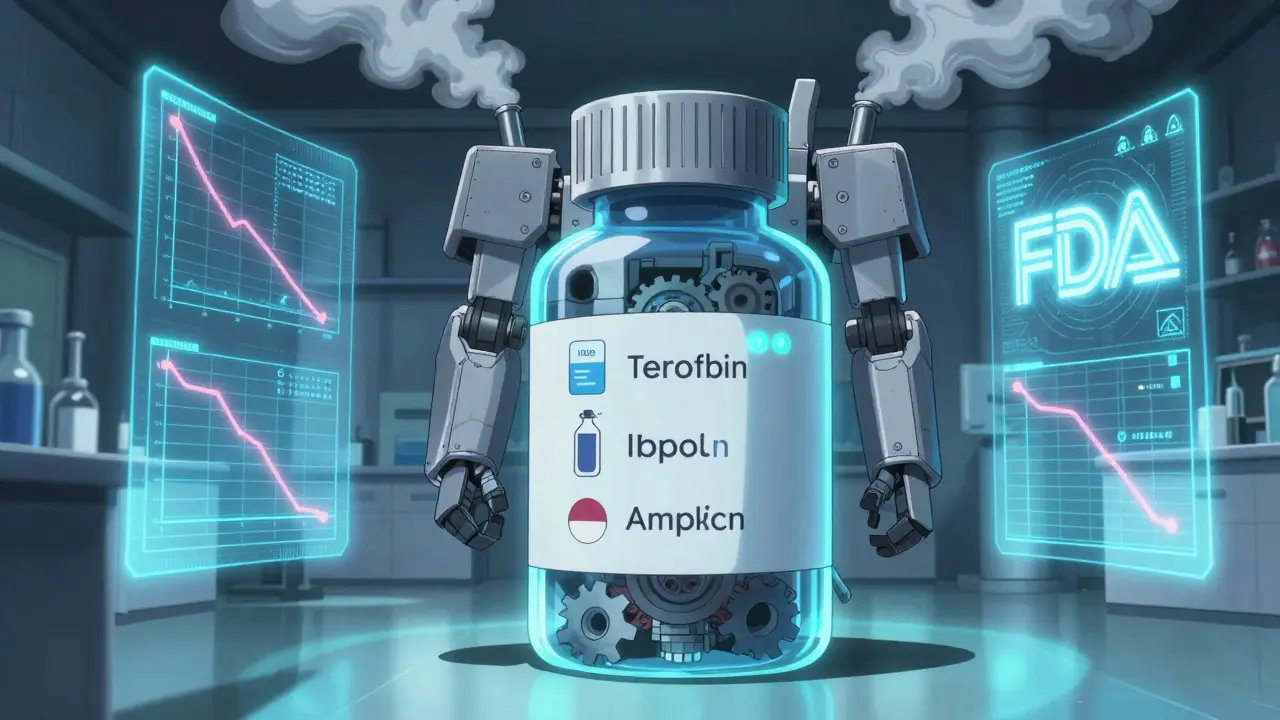
What Does a Medication Expiration Date Really Mean for Your Safety?
Expiration dates on medications guarantee potency and safety under ideal conditions - but many drugs remain effective years past that date. Learn which expired meds are safe to use and which could be dangerous.
Read More- January 31, 2026
- Neil Hirsch
- 14 Comments
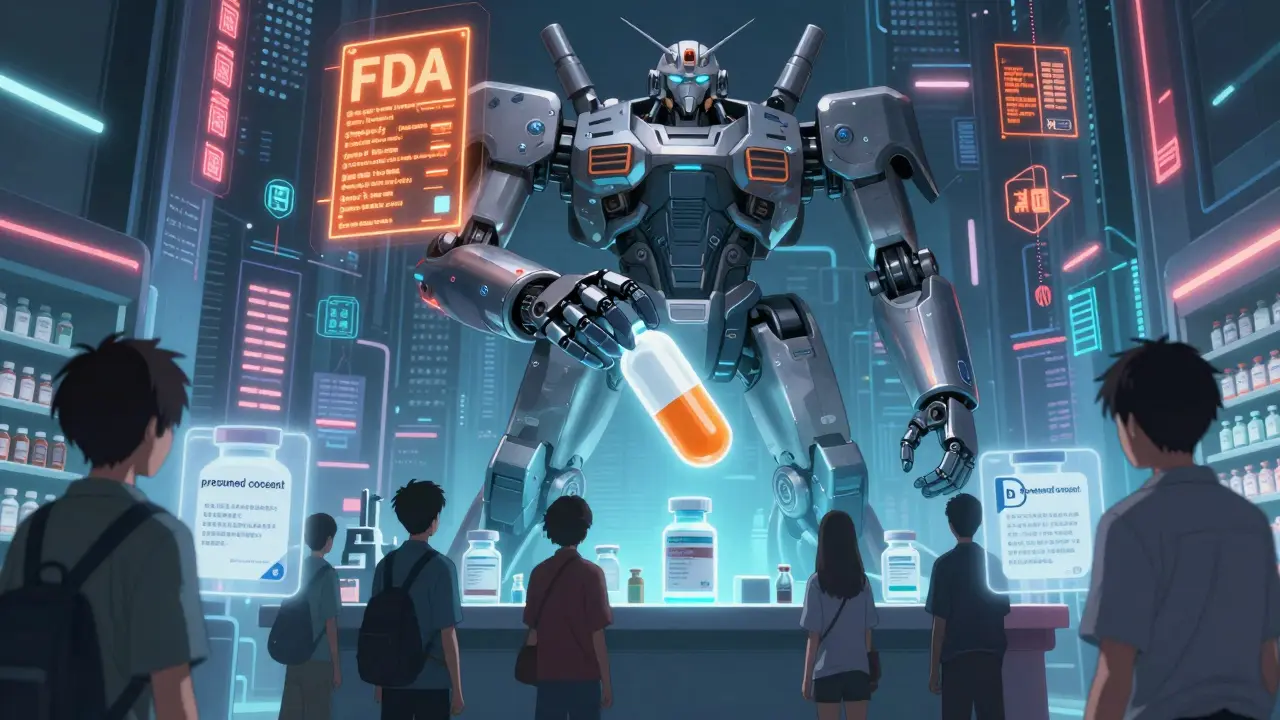
Presumed Consent in Pharmacy: When Pharmacists Can Swap Brand Drugs for Generics Without Asking
Presumed consent laws let pharmacists swap brand-name drugs for generics without asking patients - saving billions but raising safety concerns. Learn how it works, where it fails, and what you should do.
Read More- January 30, 2026
- Neil Hirsch
- 12 Comments
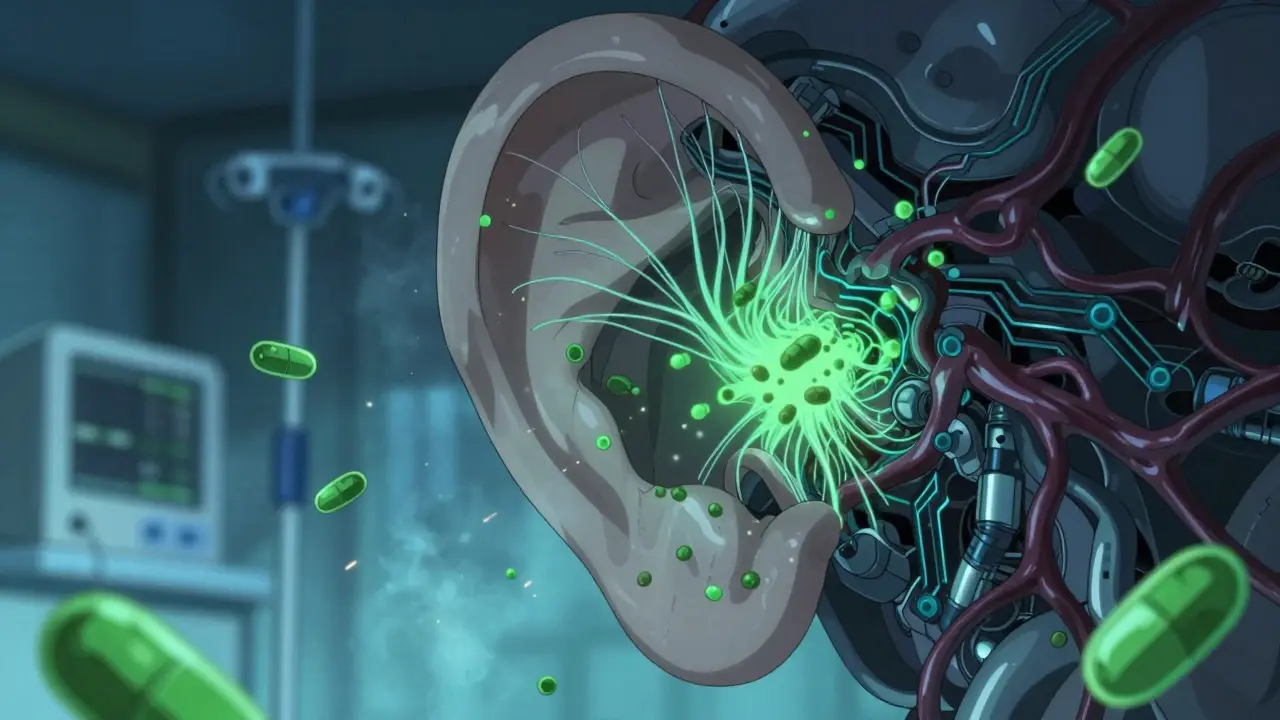
Aminoglycoside Ototoxicity: How Antibiotics Cause Permanent Hearing and Balance Damage
Aminoglycoside antibiotics can cause permanent hearing loss and balance problems in up to 47% of users. Learn how these drugs damage the inner ear, who's most at risk, and what you can do to protect yourself.
Read More- January 29, 2026
- Neil Hirsch
- 15 Comments
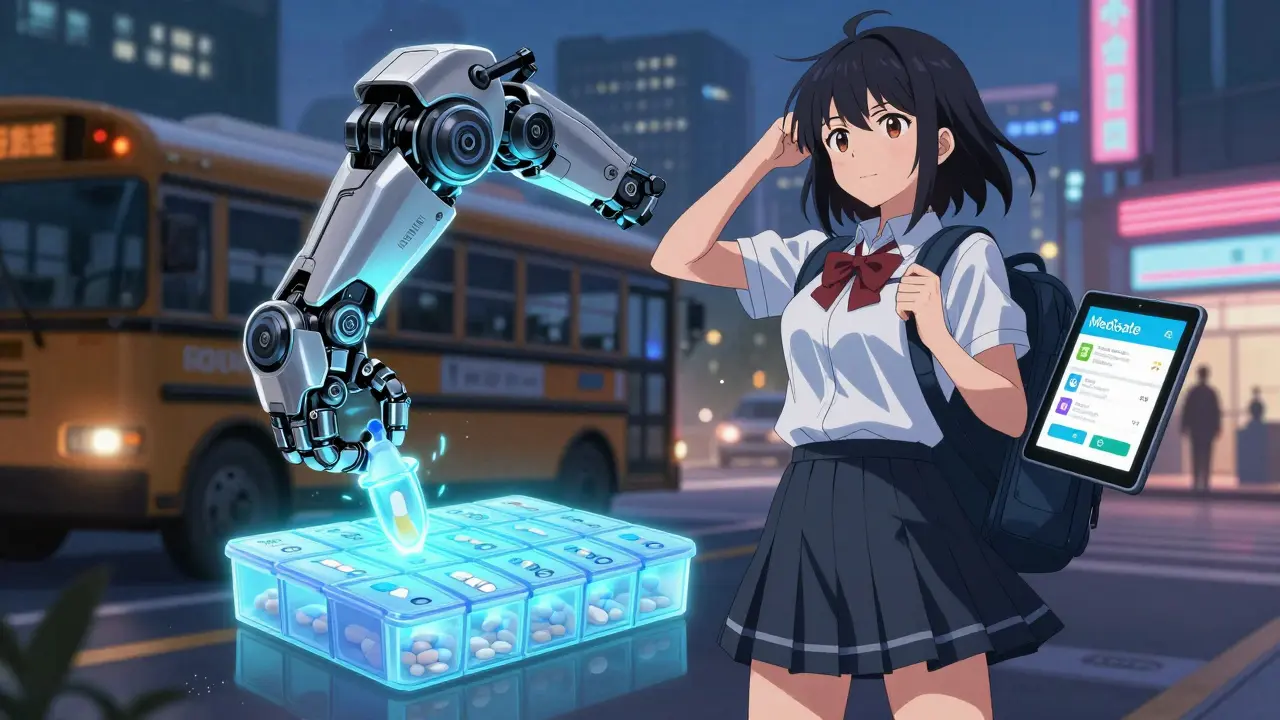
How to Teach Teens to Manage Their Own Prescription Medications
Teach teens to manage their own prescription meds before they leave home. Learn step-by-step strategies for building responsibility, using tools, avoiding misuse, and ensuring safety with ADHD, anxiety, pain, and other medications.
Read More- January 28, 2026
- Neil Hirsch
- 11 Comments

OTC Sunscreens: How SPF, Broad Spectrum, and Reapplication Actually Work
Learn how SPF, broad spectrum, and reapplication actually work with OTC sunscreens. Discover which formulas protect best, what to avoid, and how to apply sunscreen correctly to prevent skin damage and aging.
Read More- January 27, 2026
- Neil Hirsch
- 15 Comments
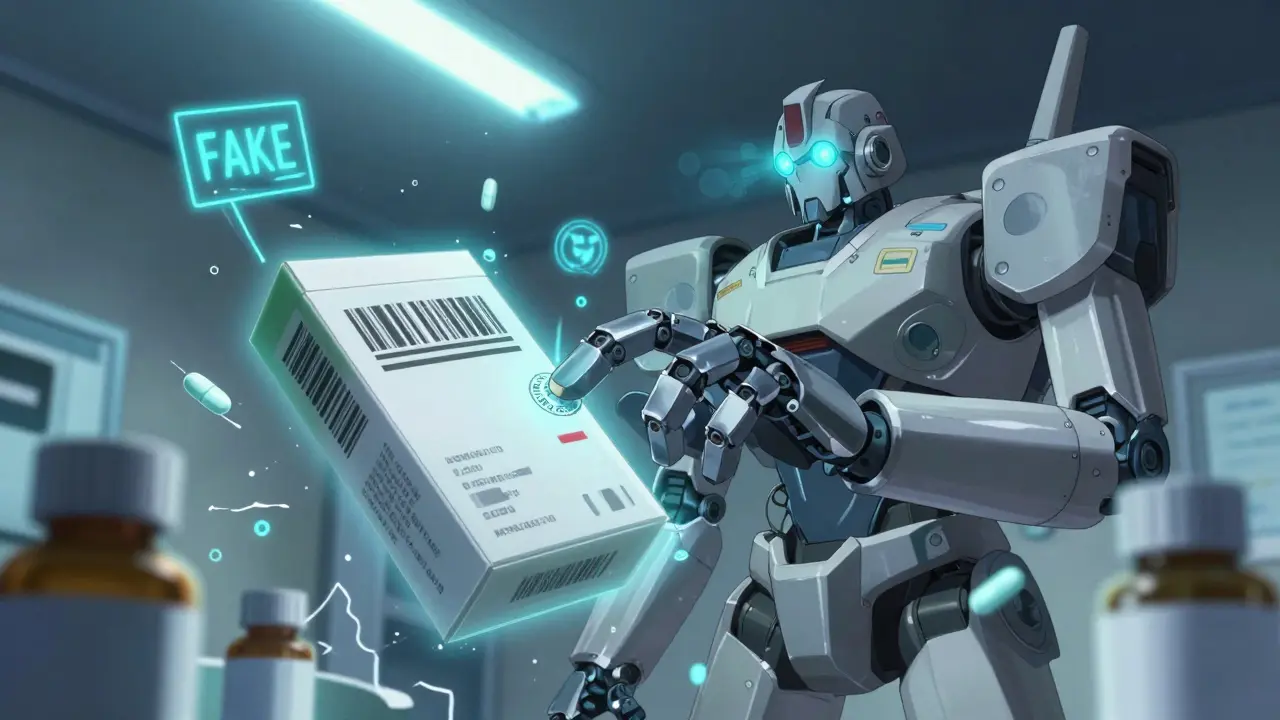
How to Identify Counterfeit Medication Packaging and Seals
Learn how to spot counterfeit medication packaging and seals with simple visual checks, UV light tests, and expert tips. Protect yourself from fake pills that can be deadly.
Read More- January 26, 2026
- Neil Hirsch
- 8 Comments

Why Some Brand-Name Drugs Have No Generic Alternatives
Brand-name drugs often stay expensive because of patents, complex manufacturing, and legal tactics that block generics. Here’s why some medications have no cheaper alternatives-even after years on the market.
Read More- January 26, 2026
- Neil Hirsch
- 8 Comments
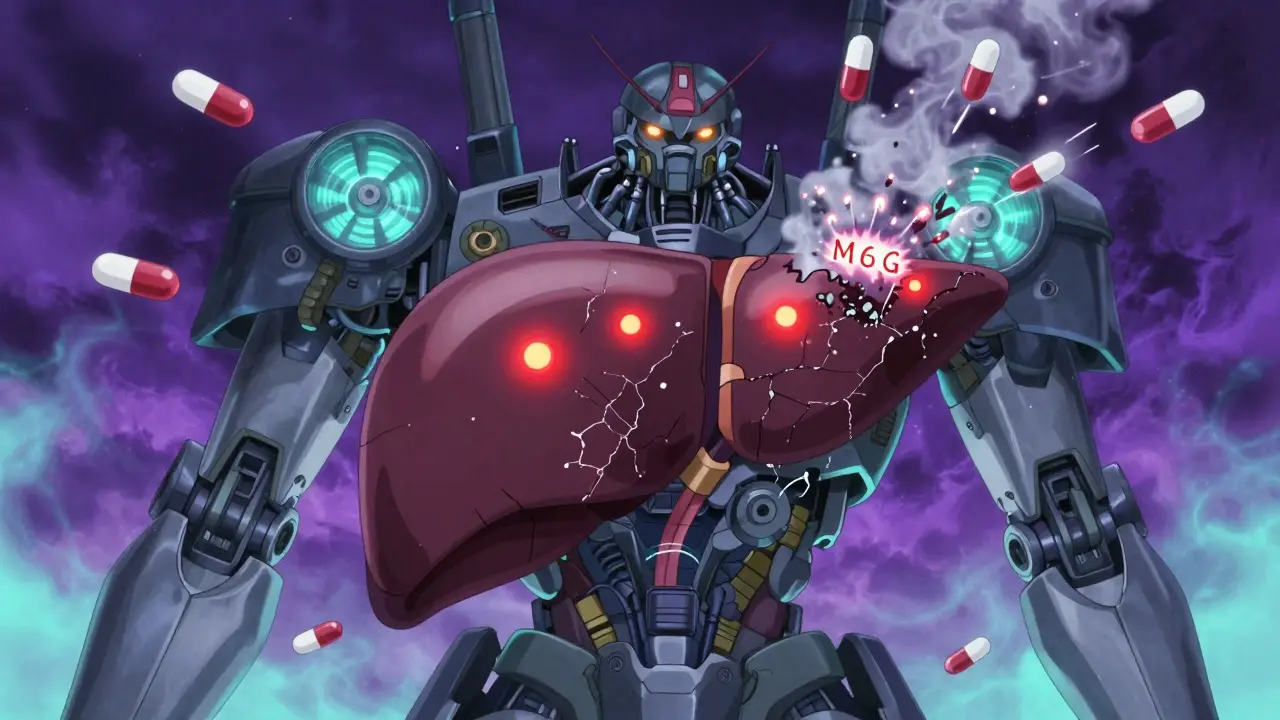
Opioids and Liver Disease: How Impaired Metabolism Increases Risk of Toxicity
Opioids can become dangerous in liver disease due to impaired metabolism, leading to toxic buildup and severe side effects. Learn how morphine, oxycodone, and others behave in liver failure-and what safer alternatives exist.
Read More- January 25, 2026
- Neil Hirsch
- 13 Comments
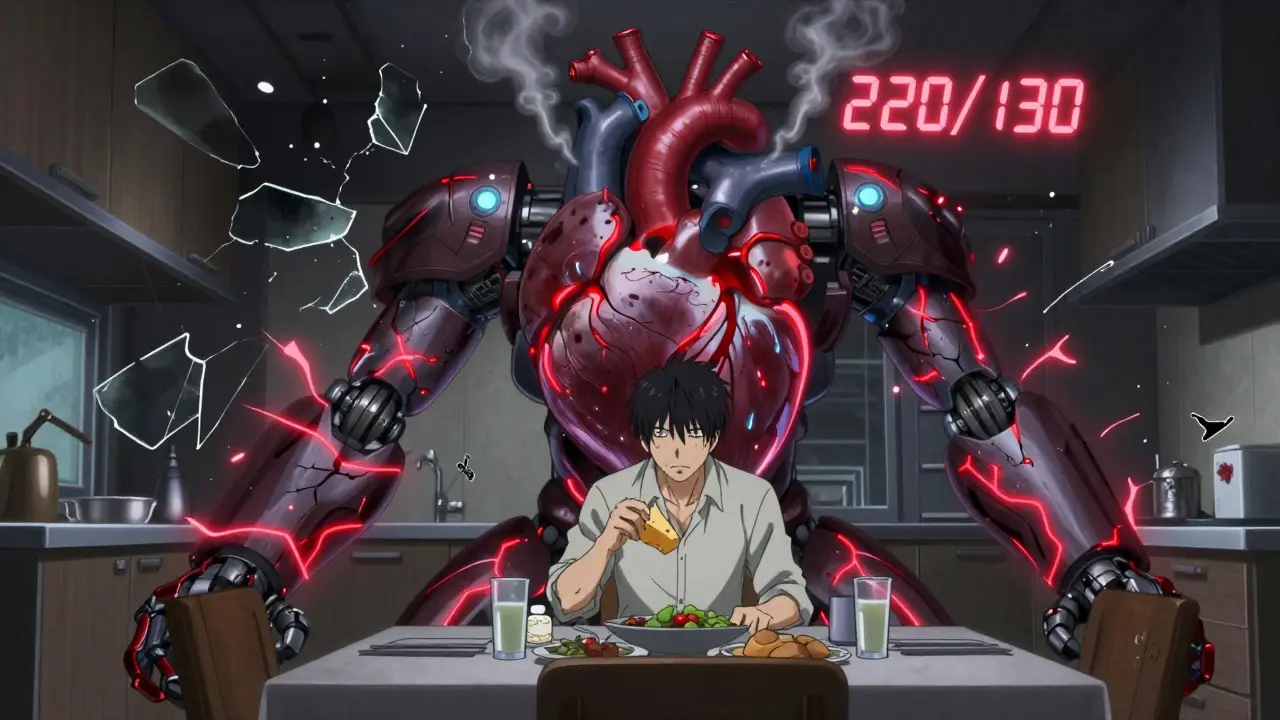
Severe Hypertensive Crisis from Drug Interactions and Reactions
Severe hypertensive crisis from drug interactions can strike suddenly, even with common medications and foods. Learn which combos are dangerous, how to spot the signs, and what to do before it's too late.
Read More- January 23, 2026
- Neil Hirsch
- 10 Comments
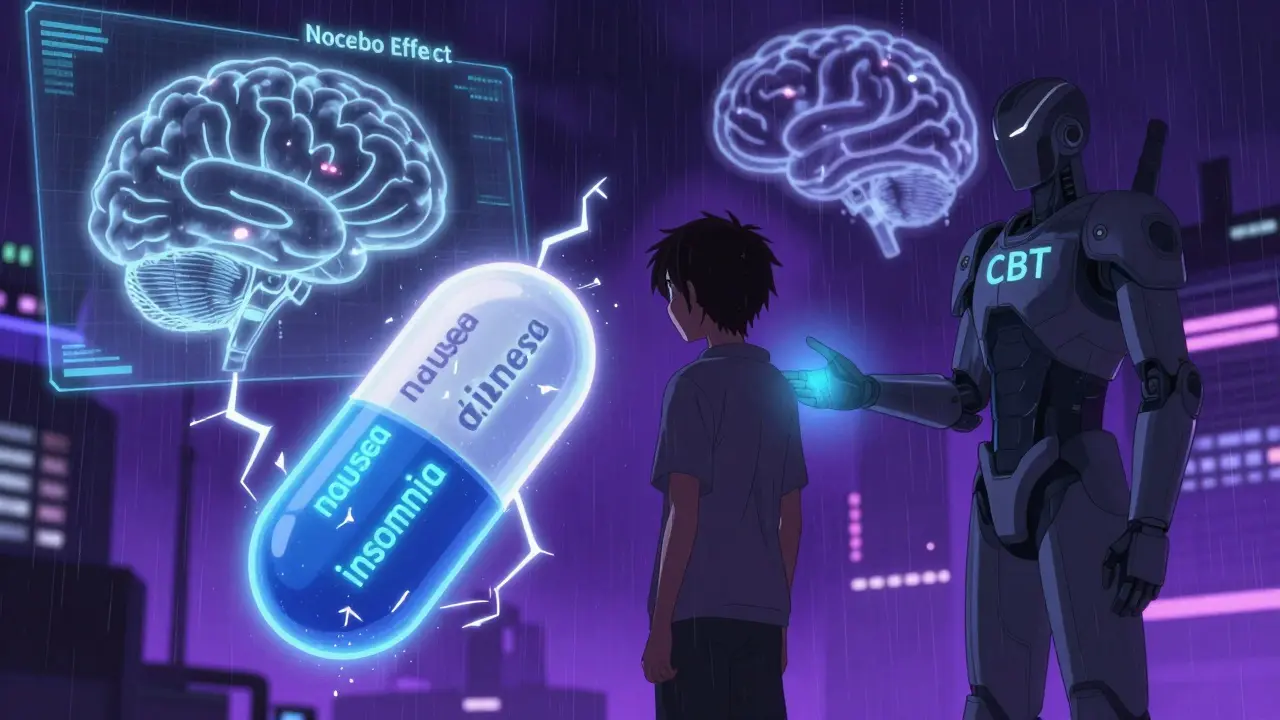
Psychological Strategies to Manage Anxiety About Medication Side Effects
Learn proven psychological strategies to manage anxiety about medication side effects, reduce fear, and improve adherence. Discover how CBT, mindfulness, and simple coping techniques can help you stay on track with your treatment.
Read More- January 22, 2026
- Neil Hirsch
- 13 Comments

How to Time Antibiotics and Antimalarials Across Time Zones
Learn how to time antimalarials and HIV meds across time zones to avoid treatment failure, drug resistance, and travel-related health risks. Essential tips for travelers on Malarone, dolutegravir, and more.
Read More- January 21, 2026
- Neil Hirsch
- 9 Comments
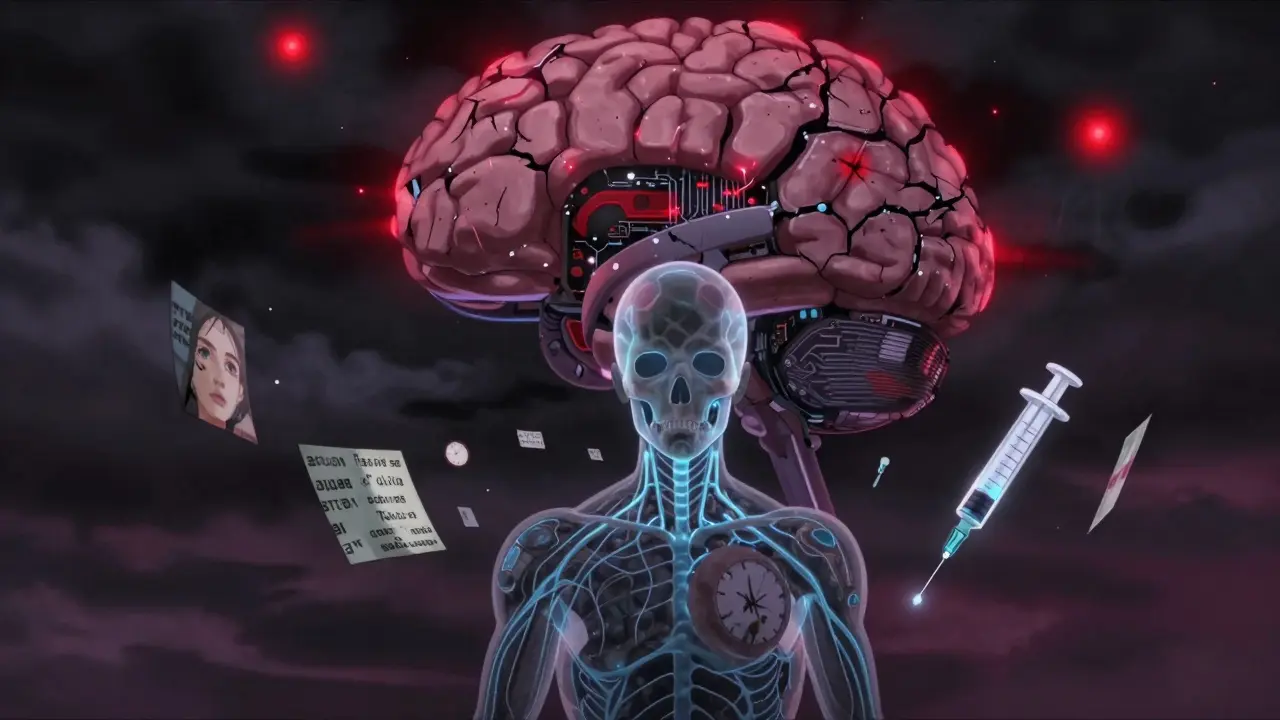
Long-Term Effects of Medication Overdose on Health
Medication overdose doesn't just end with survival. Many survivors face permanent brain damage, organ failure, and mental health struggles. Learn the real long-term health effects and what to do after an overdose.
Read More- January 20, 2026
- Neil Hirsch
- 9 Comments