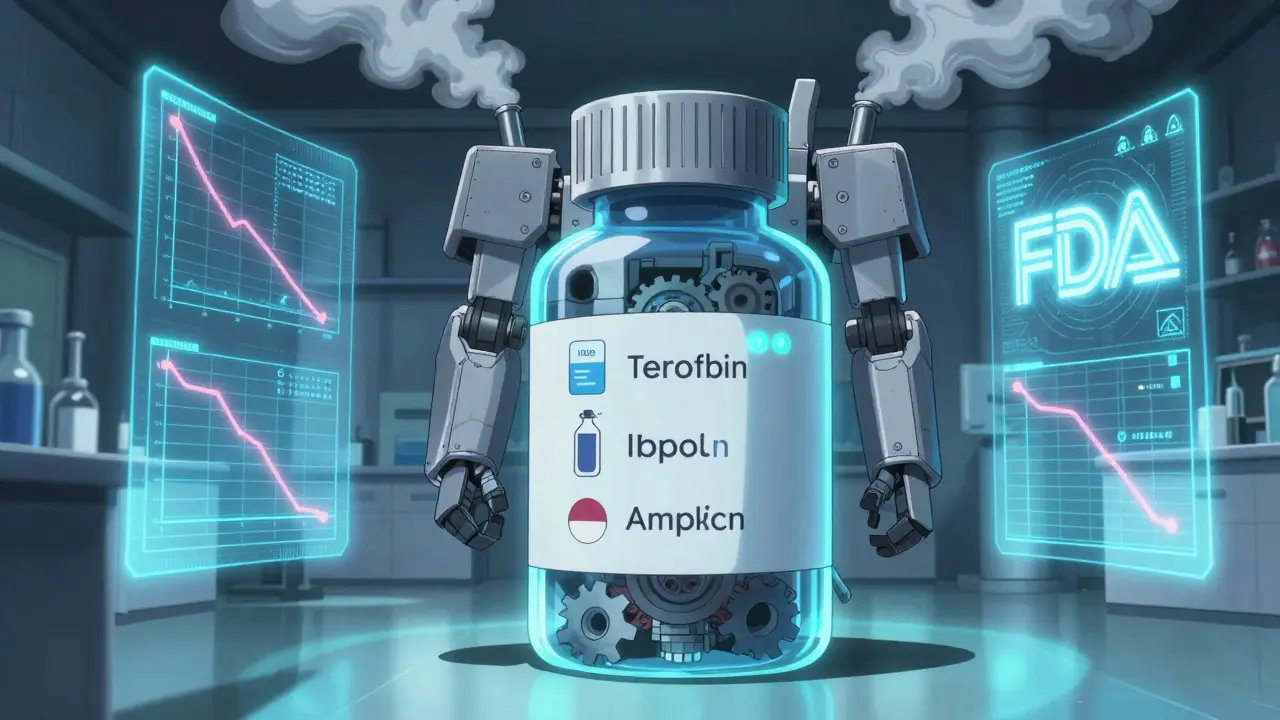
Most people look at the expiration date on their medicine and think: expired means dangerous. But what if that’s not the whole story? You’ve got a bottle of amoxicillin from last year, or maybe some ibuprofen from your medicine cabinet that’s two years past its date. Should you toss it? Can you still use it? The truth isn’t as simple as the label suggests.
What an Expiration Date Actually Means
The expiration date on your medication isn’t a "use-by" date like milk. It’s not when the drug turns toxic. It’s the last day the manufacturer guarantees the medicine will work exactly as intended - at full strength, with no harmful breakdown products. This date comes from stability testing done under strict conditions: 25°C (77°F) and 60% humidity. The drug is monitored until its active ingredient drops below 90% of what’s listed on the label. That’s the threshold the FDA and other regulators use to say: "This is still safe and effective."
Manufacturers don’t test drugs for 10 or 20 years. It’s too expensive. So they use accelerated testing - pushing the drug into hotter, damper environments to predict how it degrades over time. Then they set the expiration date conservatively, often at 12 to 36 months from manufacture, even if the drug could last longer. Think of it like a warranty: the company is promising performance up to that point, not saying it dies the next day.
What Happens When Medications Expire?
Most solid pills and capsules - like aspirin, statins, or antidepressants - don’t suddenly become poisonous. They just lose potency. Studies show that many stay effective for years beyond their printed date. The U.S. military’s Shelf Life Extension Program tested over 3,000 lots of 122 different drugs. About 88% were still safe and effective 15 years past expiration. Ciprofloxacin? Still at 97% potency after 12 years. Amoxicillin? 94% after 8 years. Even some heart medications and blood pressure pills held up.
But here’s the catch: not all drugs behave the same. Some break down fast - and dangerously.
The Dangerous Exceptions
If you’re relying on a medication to save your life, don’t gamble with expiration. These are the high-risk drugs:
- Nitroglycerin - Used for chest pain. Loses half its potency in just 3 to 6 months after opening, even before the expiration date. An expired nitro tablet might not stop a heart attack.
- Insulin - Degrades quickly if not refrigerated. Even in ideal conditions, it loses 1.5% to 2.5% per month after opening. Using weak insulin can spike your blood sugar dangerously.
- Liquid antibiotics - Like amoxicillin-clavulanate suspension. Once mixed, they’re good for only 14 days. After that, bacteria can grow in the liquid, and the drug stops working. Taking it could let an infection spread.
- Epinephrine (EpiPen) - Critical for anaphylaxis. Loses 15% to 20% potency each year after expiration. In a life-or-death moment, that drop could mean the difference between survival and tragedy.
- Warfarin - A blood thinner. Expired versions can cause unpredictable clotting or bleeding. One case study showed a patient nearly died from internal bleeding after using expired warfarin.
- Seizure medications - Even a small drop in potency can trigger a seizure.
If you’re using any of these, treat the expiration date like a hard stop. No exceptions.
Storage Matters More Than You Think
Your bathroom cabinet is the worst place for medicine. Humidity from showers can reach 85%, which speeds up degradation. Heat from a windowsill or a car dashboard? Even worse. A pill stored at 30°C (86°F) degrades 40% to 60% faster than one kept at 25°C.
Keep meds in their original bottles - those caps aren’t just for kids, they seal out moisture. Store them in a cool, dry place like a bedroom drawer. Avoid kitchens, garages, or anywhere with temperature swings. If you’re traveling, don’t leave your insulin in the hot car. Carry it with you.
Signs your medicine has gone bad? Discoloration (white pills turning yellow), crumbling, strange smells, or crystals forming in liquid. If you see any of these, throw it out.
What Do Experts Really Say?
The FDA says: "Don’t use expired medicines. It’s risky." That’s their official line - and for good reason. They’re responsible for public safety, not cost savings. But real-world data tells a different story. Dr. Joel Davis at Johns Hopkins says for stable, chronic conditions like high blood pressure, expired ACE inhibitors might still work if stored well and you’re in a pinch.
The Institute for Safe Medication Practices breaks it down into three risk levels:
- High risk: Nitroglycerin, insulin, liquid antibiotics - never use expired.
- Moderate risk: Antibiotics, blood thinners, seizure meds - reduced potency can lead to treatment failure.
- Low risk: Most pills like statins, antidepressants, pain relievers - potency drops slowly. Still likely safe for short-term use if stored properly.
Bottom line: If you’re treating something minor - a headache, mild allergy - and the pill looks fine, stored in a cool, dry place, and it’s only a year or two past date? You’re probably fine. But if you’re managing diabetes, heart disease, or an infection? Don’t risk it.

What Should You Do With Expired Medicine?
Don’t flush most drugs - it pollutes water supplies. The best way? Take them to a drug take-back program. In 2023, over 900,000 pounds of unused meds were collected in the U.S. during National Prescription Drug Take-Back Days. Pharmacies, police stations, and hospitals often host these events twice a year.
Only flush if the drug is on the FDA’s Flush List - things like fentanyl patches or oxycodone tablets. These are high-risk if found by kids or pets. For everything else, mix pills with coffee grounds or cat litter, seal them in a bag, and throw them in the trash. It’s not ideal, but it’s safer than flushing.
Why Do Expiration Dates Exist If Drugs Last Longer?
It’s not about science alone - it’s about business, regulation, and liability. Manufacturers don’t want to be sued if someone takes an old pill and it doesn’t work. Regulators set conservative dates to protect the public. And pharmacies? They use "beyond-use" dates that are often shorter than the manufacturer’s date - usually one year for pills, 30 days for eye drops, 14 days for liquid antibiotics. That’s their legal protection.
But change is coming. The FDA is testing smart packaging with sensors that track temperature and humidity. Imagine a pill bottle that tells you: "Your insulin is still good - it’s been stored at 22°C all month." Some companies are already using this in biologics. Machine learning models are being trained to predict remaining potency based on storage history - and early results are 89.7% accurate.
By 2030, experts estimate we could extend average drug shelf lives by nearly half. That could save billions in wasted medicine. But until then, use your judgment. Know your drugs. Know your storage. And when in doubt - especially with life-saving meds - get a new prescription.
Final Rule: When to Toss It
Here’s your quick guide:
- Toss immediately: Nitroglycerin, insulin, liquid antibiotics, EpiPens, warfarin, seizure meds - even if it’s just a month past.
- Check condition: For pills like ibuprofen, statins, or antihistamines - if they look, smell, and feel normal, and were stored well, they’re likely still okay for a year or two past date.
- Never guess with critical conditions: If you’re treating an infection, heart problem, or chronic illness, don’t use expired meds. Get a refill.
- Dispose safely: Use take-back programs. Don’t flush unless it’s on the FDA list.
Expiration dates aren’t magic. They’re science - with limits. Respect them, but don’t fear them blindly. Know the difference between a pill that’s just weak and one that’s dangerous. Your health depends on it.
Is it dangerous to take expired medication?
Most expired medications aren’t toxic, but they may not work as well. For some drugs - like insulin, nitroglycerin, or antibiotics - losing potency can be dangerous or even life-threatening. For others, like ibuprofen or statins, the risk is low if stored properly and only slightly past the date.
Do expiration dates mean the medicine stops working on that exact day?
No. Expiration dates are conservative estimates based on testing under ideal conditions. Many drugs remain effective for years beyond that date, especially if stored in cool, dry places. But manufacturers can’t guarantee performance past that date, so they set it early for safety and legal reasons.
Can I still use expired antibiotics?
Avoid it. Expired antibiotics may not kill all bacteria, which can lead to treatment failure and antibiotic resistance. Liquid antibiotics become unsafe after 14 days, even before expiration. Solid antibiotics like amoxicillin capsules may retain potency longer, but it’s not worth the risk when a new prescription is cheap and easy to get.
How should I store my medications to make them last longer?
Keep them in their original bottles, in a cool, dry place like a bedroom drawer - not the bathroom or kitchen. Avoid heat, humidity, and direct sunlight. Temperature should stay below 25°C (77°F). Use a sealed container if you live in a humid climate.
What’s the best way to dispose of expired medicine?
Use a drug take-back program - they’re held twice a year and available at pharmacies, police stations, and hospitals. If that’s not possible, mix pills with coffee grounds or cat litter, seal them in a bag, and throw them in the trash. Only flush if the drug is on the FDA’s Flush List - like fentanyl patches or oxycodone tablets.
Why do pharmacies give medications shorter expiration dates than the manufacturer?
Pharmacies use "beyond-use" dates based on how the drug is dispensed. Once you open a bottle or reconstitute a liquid, the conditions change. Pharmacies set conservative dates - usually one year for pills, 14 days for liquids - to ensure safety under real-world storage, not just ideal lab conditions.


Bryan Coleman
January 31, 2026 AT 20:43Had a bottle of amoxicillin from 2021 sitting in my drawer. Took it for a sinus thing last winter-worked fine. No weird smells, no discoloration. Just kept it cool, not in the bathroom. I’m not saying you should gamble, but not every expired pill is a time bomb.
Sami Sahil
February 1, 2026 AT 10:22Bro seriously?? I just took my dad’s expired insulin because he forgot his refill 😭 Don’t do it. Even if it looks fine. Your body knows. Get a new one. Life’s too short for guesswork.
franklin hillary
February 1, 2026 AT 23:37Expiration dates are corporate liability wrapped in a lab coat. The FDA doesn’t want to be sued when your headache pill turns into a paperweight. Meanwhile, the military has shelves of 15-year-old cipro that still kills bacteria like it’s 2009. We’re being sold fear to sell more pills. The real enemy? Pharma profit margins. 🤔
Bob Cohen
February 3, 2026 AT 09:29So let me get this straight-we’re supposed to throw out perfectly good medicine because a corporation said so, but we’re also told not to flush it because it pollutes the water? So what do we do? Burn it in the backyard? Bury it in the yard? I mean, come on. The system is broken. And now I feel guilty for having a 3-year-old ibuprofen bottle.
Ishmael brown
February 4, 2026 AT 12:33What if the expiration date is a lie? 🤫 What if the FDA and Big Pharma are hiding the fact that most pills last 20+ years? I mean, think about it-why would they want you to keep buying? They’re not worried about safety. They’re worried about your wallet. I’ve got a 10-year-old EpiPen. I’m keeping it. 💉🔥
Aditya Gupta
February 5, 2026 AT 09:26My grandma keeps all her meds in a tin box in the closet. No heat, no moisture. Her blood pressure pills are 4 years out. She’s still walking. Sometimes science is just overcomplicated.
Nancy Nino
February 6, 2026 AT 19:16While I appreciate the empirical data presented, I must emphasize that the regulatory framework exists precisely to mitigate risk in populations with variable compliance, storage conditions, and cognitive capacity. To encourage laypersons to disregard expiration dates is to abdicate public health responsibility.
Jaden Green
February 8, 2026 AT 16:39Of course you’re going to find some study from the military saying their 15-year-old antibiotics are still good-because they’re stored in climate-controlled bunkers by trained personnel with access to lab-grade humidity monitors. Meanwhile, I’ve got someone’s uncle’s expired Zoloft sitting next to the toaster in a damp apartment in Phoenix. This article is dangerously misleading. You’re not a pharmacist. You’re not a chemist. You’re just a person with a Google search history and a death wish.
Angel Fitzpatrick
February 9, 2026 AT 23:31They’ve been manipulating expiration dates since the 70s. It’s not about science-it’s about control. The FDA, the WHO, the pharmaceutical cartels-they all collude to keep you dependent. Smart packaging? That’s just the next phase. RFID chips in your pills tracking your compliance. You think they care if you live? They care if you buy. The real danger isn’t expired meds-it’s the system that profits from your fear.
Nidhi Rajpara
February 10, 2026 AT 05:05While the article presents compelling anecdotal and empirical evidence regarding the stability of certain pharmaceutical compounds beyond their labeled expiration dates, it is imperative to note that the legal and ethical obligations of healthcare providers, pharmacists, and patients are not governed by laboratory studies, but by codified regulatory standards. Therefore, any deviation from manufacturer-determined expiration dates constitutes a breach of professional and statutory duty.
Chris & Kara Cutler
February 10, 2026 AT 19:26My husband and I keep all our meds in the fridge! 🧊 Even the ibuprofen. Works. No issues. Life’s too short to waste money on new pills if the old ones still look good. 💪❤️
Donna Macaranas
February 11, 2026 AT 21:42I’ve kept my statins past the date for a couple years. Always stored in the dark drawer. Never had a problem. I don’t think I’m risking my life-I’m just being practical. Some people panic over dates. I just check if it looks weird. If not, I’m good.
Rachel Liew
February 13, 2026 AT 02:13my mom used to say ‘if it looks right and you feel right, it’s probably fine’… and she lived to 92. she never took anything expired unless it was insulin or antibiotics. just kept everything dry. i think she knew more than the labels.
Nicki Aries
February 13, 2026 AT 05:30I appreciate the nuance here. But let’s be clear: while some medications may retain potency, the variability in individual storage conditions, the lack of standardized testing for post-expiration stability in consumer settings, and the potential for microbial contamination in liquid formulations render any recommendation to use expired pharmaceuticals, even for ‘low-risk’ drugs, ethically and clinically indefensible. The burden of proof lies not with the patient, but with the manufacturer-and they have not met it. Therefore, the only responsible action is to discard and replace.