
Imagine your digestive system turning against you. That is exactly what happens with Pancreatitis, which is inflammation of the pancreas, an organ located behind the stomach that produces digestive enzymes and hormones regulating blood sugar. When this gland malfunctions, it doesn't just cause a tummy ache; it can lead to severe pain, life-threatening complications, or long-term disability. The difference between a temporary scare and a lifelong condition often comes down to whether you are dealing with acute or chronic forms of the disease.
Understanding these two conditions is not just about medical definitions. It is about survival and quality of life. Acute pancreatitis hits like a thunderstorm-sudden, violent, but often passing. Chronic pancreatitis is more like erosion-slow, damaging, and permanent. How you eat during recovery plays a massive role in how well you heal. Let’s break down what is happening inside your body and how to navigate the path to getting better.
Acute Pancreatitis: The Sudden Attack
Acute pancreatitis is a sudden inflammation of the pancreas that typically resolves within days to weeks with appropriate treatment. This condition occurs when digestive enzymes activate prematurely inside the pancreas instead of traveling to the small intestine. Essentially, the pancreas begins to digest itself. This process, known as autodigestion, causes intense tissue damage.
The symptoms are unmistakable. You will likely experience sudden, severe pain in the upper abdomen that radiates to your back. According to data from the Mayo Clinic, this specific pain pattern appears in 95% of cases. Other signs include nausea, vomiting, fever, and a rapid pulse. If you notice these symptoms, especially after a heavy meal or binge drinking, seek emergency care immediately. Delaying treatment can turn a manageable case into a life-threatening one.
Diagnosis relies on three key indicators. Doctors look for abdominal pain consistent with pancreatitis, elevated levels of serum amylase or lipase (enzymes) in the blood-typically three times above the normal limit-and characteristic findings on imaging tests like CT scans. Most patients recover fully within a week with supportive care, including IV fluids and pain management. However, severe cases involving necrosis (tissue death) carry a mortality rate of up to 30%, making early intervention critical.
Chronic Pancreatitis: The Long-Term Struggle
Chronic pancreatitis is a persistent inflammation that leads to irreversible structural damage, fibrosis, and calcification of pancreatic tissue over months to years. Unlike the acute form, this condition does not go away. It progressively destroys the pancreas's ability to produce digestive enzymes and regulate blood sugar. Over time, the healthy tissue is replaced by scar tissue and calcium deposits.
The pain profile changes here too. While acute pain is constant and severe, chronic pain is often triggered by eating (postprandial). Many patients develop a fear of food because meals trigger painful episodes. This leads to weight loss and malnutrition. As the disease progresses, patients often develop exocrine insufficiency, meaning they cannot digest fats properly, leading to fatty, foul-smelling stools called steatorrhea. They may also develop diabetes, known as type 3c diabetes, because the insulin-producing cells are destroyed.
Risk factors differ significantly. While gallstones are the leading cause of acute pancreatitis, alcohol consumption and smoking are the primary drivers of chronic pancreatitis. In fact, studies show that quitting smoking can reduce disease progression by 50%. Genetic mutations also play a role in about 10-15% of cases, highlighting that some people are predisposed to this condition regardless of lifestyle choices.
Key Differences at a Glance
To help you distinguish between the two, let’s look at the core differences. These distinctions matter because they dictate your treatment plan and long-term outlook.
| Feature | Acute Pancreatitis | Chronic Pancreatitis |
|---|---|---|
| Onset | Sudden, severe | Gradual, recurring |
| Durability | Days to weeks | Months to years (permanent) |
| Tissue Damage | Reversible edema/inflammation | Irrversible fibrosis/calcification |
| Main Cause | Gallstones, alcohol binge | Long-term alcohol use, smoking |
| Key Symptom | Constant epigastric pain | Pain after eating, steatorrhea |
| Outcome | Full recovery possible | Progressive functional decline |

Nutrition During Acute Recovery
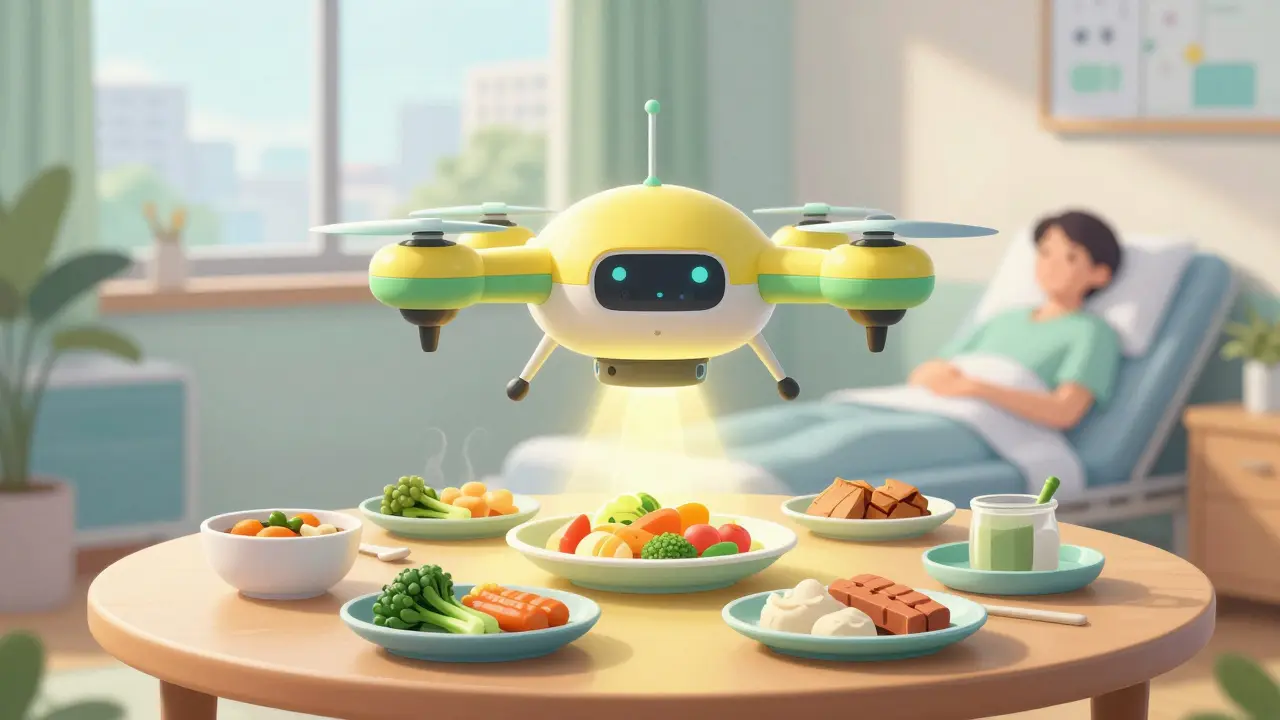
When you are hospitalized for acute pancreatitis, your gut needs rest. For many years, doctors kept patients NPO (nothing by mouth) for days. Today, we know that starting nutrition early is better. Guidelines from the American Society for Parenteral and Enteral Nutrition recommend initiating enteral nutrition (tube feeding) within 24-48 hours if oral intake is not tolerated. This approach reduces infection rates by 30% compared to intravenous feeding alone.
If you can eat, start slow. Begin with clear liquids and progress to low-fat solid foods. Your goal is to minimize the workload on your pancreas. Fat requires the most effort to digest, so keep it minimal. Aim for high-carbohydrate, moderate-protein meals. Small, frequent meals are easier to handle than large ones. As you improve, gradually reintroduce healthy fats like olive oil or avocado, but monitor your pain levels closely. If pain returns, step back to simpler foods.
Nutrition for Chronic Management
Living with chronic pancreatitis requires a stricter, long-term nutritional strategy. Since your pancreas cannot produce enough enzymes, you must supplement them. This is where Pancreatic Enzyme Replacement Therapy (PERT) becomes essential medication containing lipase, protease, and amylase taken with meals to aid digestion in patients with exocrine pancreatic insufficiency.
You need to take PERT with every meal and snack. The dosage is crucial. Experts recommend 25,000 to 80,000 units of lipase per main meal. Without these enzymes, you will not absorb nutrients, no matter how much you eat. This leads to vitamin deficiencies, particularly in fat-soluble vitamins A, D, E, and K. Regular blood tests are necessary to monitor these levels and adjust supplementation accordingly.
Dietary fat restriction is key, but total elimination is not always necessary or healthy. Moderate fat restriction (40-50g per day) is often sustainable for chronic patients. Medium-chain triglycerides (MCTs) are a game-changer here. Unlike regular fats, MCTs do not require pancreatic enzymes for absorption. They provide energy without triggering pain or causing steatorrhea. Adding MCT oil to your diet can help maintain weight and energy levels.
Protein intake should be adequate to prevent muscle wasting, aiming for 1-1.5 grams per kilogram of body weight daily. Complex carbohydrates like whole grains, oats, and vegetables provide steady energy without spiking blood sugar, which is important since many patients develop diabetes. Avoid alcohol completely. Even small amounts can accelerate tissue damage and increase pain.
Practical Tips for Daily Life
Managing pancreatitis is a marathon, not a sprint. Here are practical steps to integrate into your routine:
- Eat Small Meals: Instead of three large meals, try six to eight smaller ones throughout the day. This reduces the burden on your pancreas.
- Track Triggers: Keep a food diary. Note what you ate and any subsequent pain or digestive issues. Patterns will emerge, helping you identify personal triggers.
- Stay Hydrated: Dehydration worsens pain and slows healing. Drink water consistently throughout the day.
- Quit Smoking: If you smoke, stopping is the single most effective action you can take to slow disease progression.
- Monitor Blood Sugar: If you have developed diabetes, regular monitoring and working with an endocrinologist are essential to manage type 3c diabetes effectively.
- Join Support Groups: Connecting with others who understand the struggle can provide emotional support and practical tips. Online forums and local groups can be invaluable resources.
When to Seek Help
Do not ignore warning signs. If you experience unrelenting abdominal pain, persistent vomiting, yellowing of the skin or eyes (jaundice), or significant unintended weight loss, contact your healthcare provider immediately. Early detection of complications can prevent hospitalization and preserve remaining pancreatic function.
Remember, while chronic pancreatitis is a serious condition, it is manageable. With the right medical team, strict adherence to enzyme therapy, and careful attention to your diet, you can maintain a good quality of life. Focus on what you can control: your choices today shape your health tomorrow.
What foods should I avoid with pancreatitis?
Avoid high-fat foods like fried items, fatty cuts of meat, full-fat dairy, and creamy sauces. Alcohol is strictly prohibited as it directly damages pancreatic tissue. Spicy foods may also trigger pain in some individuals, so monitor your tolerance.
Can acute pancreatitis become chronic?
Yes, recurrent episodes of acute pancreatitis can lead to chronic pancreatitis. Each attack causes some degree of scarring. Over time, this cumulative damage results in permanent structural changes and loss of function.
How do I take pancreatic enzymes correctly?
Take pancreatic enzyme capsules at the start of each meal and snack. Do not crush or chew them unless instructed by your doctor. Dosage is based on the amount of fat in the meal, typically ranging from 25,000 to 80,000 units of lipase per main meal.
Is there a cure for chronic pancreatitis?
There is no cure for chronic pancreatitis as the tissue damage is irreversible. However, symptoms can be managed effectively through medication, enzyme replacement, dietary changes, and pain management strategies to improve quality of life.
Why is smoking cessation so important?
Smoking accelerates the progression of chronic pancreatitis, increases pain severity, and raises the risk of pancreatic cancer. Quitting smoking has been shown to reduce disease progression by 50% and is considered the most impactful lifestyle change for patients.

Danny S
May 19, 2026 AT 16:14They want you to believe it is just inflammation but the truth is they are poisoning your pancreas with the vaccines and the 5G towers. The government knows exactly what they are doing when they push this narrative about diet instead of stopping the real cause. I have seen the documents and they are hiding the fact that fluoride in the water is eating away at your organs. You think you are safe drinking tap water? Think again. They are turning us into lab rats without our consent and then blaming us for getting sick. Wake up people before it is too late.
Jeremiah Cassandra
May 20, 2026 AT 04:50Oh wow, another conspiracy theory in the comments section because reading medical guidelines is just too hard for some folks 🙄. Look, Danny, if you want to blame 5G for your digestive issues, go ahead, but maybe try taking the enzymes your doctor prescribed first. It might actually help more than yelling at clouds. 😂
charles robert
May 21, 2026 AT 06:14The pain is not just physical, it is existential. When your body betrays you, who can you trust? The silence of the pancreas is louder than any scream. We are all just walking bags of enzymes waiting to digest ourselves from the inside out. It is a metaphor for society really. We consume until we break. 🌑
Warren Brewer
May 22, 2026 AT 16:15I get that it feels heavy. But you are not alone in this. Many people struggle with chronic pain and it changes how you see the world. Just remember to take small steps. Eat small meals. Drink water. You do not have to figure it all out today. One bite at a time is enough.
Mark Ronson
May 22, 2026 AT 16:25Great article on the MCT oil part. I found that using coconut oil which has high MCT content helped me keep my weight up when regular fats made me feel terrible. Just make sure to start slow though because even MCTs can upset your stomach if you go overboard. Also check with your doc about dosage. Hope this helps someone else out there! 🌿
Mikey Mann
May 23, 2026 AT 15:19Life is a journey and sometimes the road gets bumpy. Pancreatitis is one of those bumps but you can learn to navigate it. The key is mindset. If you view food as fuel rather than pleasure you will find peace. Every meal is an opportunity to heal. Stay positive and keep moving forward. ☀️
Mollie Louise
May 24, 2026 AT 18:47I completely agree with the point about hydration being so important for recovery and overall health! 💧 When I was diagnosed I learned that dehydration makes the pain much worse and staying hydrated helps flush out toxins and supports digestion. I also love the idea of joining support groups because connecting with others who understand the struggle provides such valuable emotional support and practical tips that doctors often miss. 🤗
Christina Moran
May 24, 2026 AT 20:57does anyone know if green smoothies are ok? i heard they are good but im scared of the sugar in fruit. my last flare up was after a mango smoothie so im confused now. thanks!
mardy duffy
May 25, 2026 AT 16:18Boring. Read the title. Skimmed the text. Still don't care.
Desirea Gaona
May 26, 2026 AT 05:49It is imperative that individuals adhere strictly to the dietary recommendations outlined herein. The consumption of alcohol must be ceased immediately upon diagnosis. Furthermore, smoking cessation is not merely a suggestion but a critical component of disease management. Failure to comply with these protocols may result in irreversible damage to pancreatic tissue and subsequent complications including diabetes and malabsorption syndromes. Please consult your healthcare provider for personalized guidance.
Yuvraj Singh
May 28, 2026 AT 02:13In India we use turmeric and ginger tea for digestion but for pancreatitis you must follow the doctor advice. Enzyme replacement is very important. Do not skip doses. Small frequent meals work best. Avoid fried food completely. Take care and stay healthy. 🙏
Dana Ellington
May 29, 2026 AT 10:29OMG this post is literally a lifesaver!! 😭 I have been struggling so bad with the enzyme timing and reading this made me realize i was taking them wrong. I was crushing them which is totally wrong right?? Thank you so much for explaining the lipase units thing. I feel like i finally have hope again. Sending lots of love to everyone fighting this battle! ❤️✨
victoria catharinaa
May 31, 2026 AT 09:35You need to stop ignoring the signs. If you have pain after eating you need to act now. Do not wait until you are in the hospital. Get your blood work done. Check your vitamins. This is serious business and you are playing with fire if you do not listen to your body. Stop making excuses and start managing your health.
Glen Speck
May 31, 2026 AT 18:21the mind body connection is real. stress triggers inflammation. meditation helps. i stopped smoking and my pain reduced by half. its not magic its biology. respect your limits. boundaries are healthy. dont let others dictate your diet. you know your body best. listen to it.
Sam Mackellar
June 1, 2026 AT 10:24It is essential to maintain a respectful dialogue regarding medical conditions. While personal experiences vary significantly among patients the scientific consensus supports the efficacy of enzyme replacement therapy and dietary modification. We should encourage evidence-based practices and avoid misinformation that could jeopardize patient safety. Let us foster an environment of mutual support and accurate information sharing for the benefit of all community members.