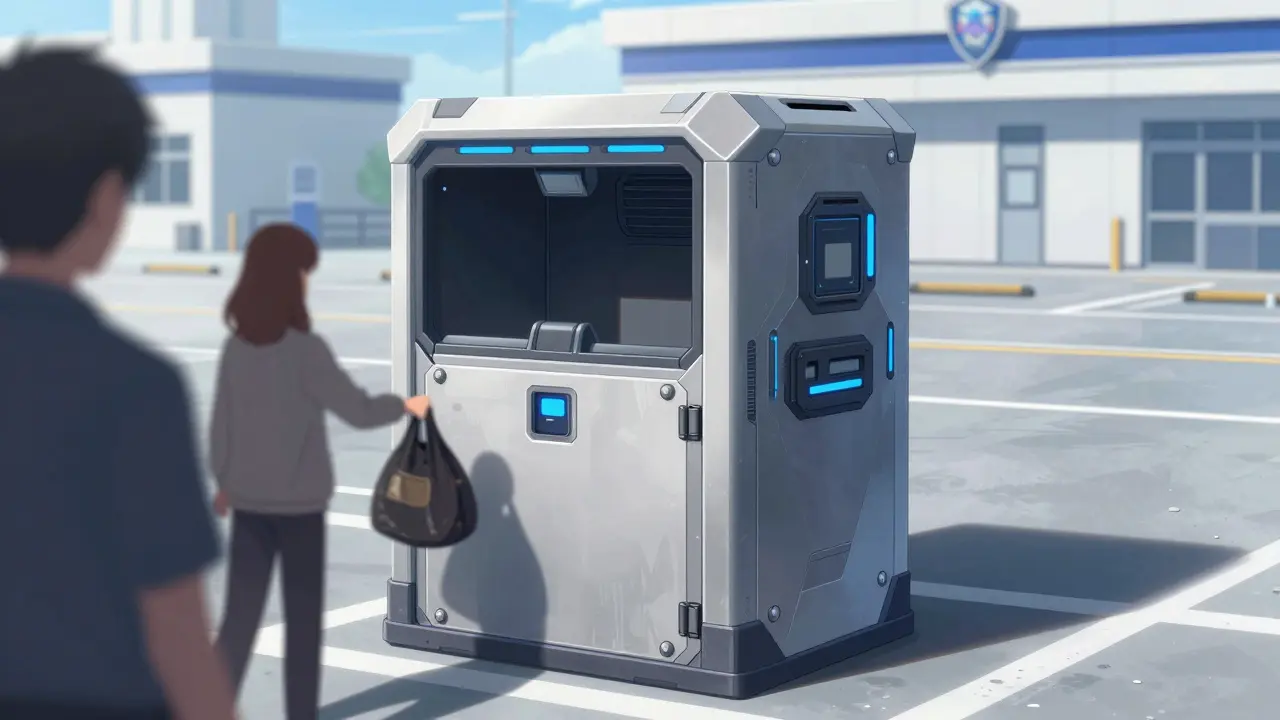
You have a drawer full of old bottles. Maybe it’s leftover antibiotics from that cold last winter. Perhaps it’s painkillers you barely touched after surgery. Or maybe it’s just expired vitamins and heart meds you no longer need. Keeping them feels wasteful, but flushing them scares you because of the environmental damage. Throwing them in the trash worries you because someone might find them. This is exactly why National Prescription Drug Take-Back Days exist.
These events are your chance to get rid of those medications safely, anonymously, and for free. Organized by the U.S. Drug Enforcement Administration (DEA), this program has been running since 2010. It turns what used to be a confusing, risky chore into a simple community service. If you’ve ever wondered how to properly dispose of prescription drugs without harming the planet or risking accidental overdose in your home, this guide covers everything you need to know before heading to a drop-off site.
How the Program Works
The concept is straightforward. Twice a year, thousands of locations across the country open their doors to collect unused medications. You bring your pills; they incinerate them later. There is no paperwork, no questions asked, and no cost to you.
The events typically happen on the last Saturday of April and October. For example, the most recent major event was scheduled for October 25, 2025. During these days, collection sites operate from 10 a.m. to 2 p.m. local time. That four-hour window is tight, so timing matters. You cannot show up at midnight or on a Tuesday. The strict schedule helps law enforcement manage security and logistics efficiently.
What makes this different from a regular pharmacy drop-off? Scale and anonymity. While some pharmacies offer year-round disposal boxes, the National Take-Back Day involves nearly 4,600 collection sites simultaneously. These include police stations, sheriff’s offices, hospitals, and retail pharmacies. The sheer number of locations means there is likely a spot within driving distance of your home. According to data from the DEA, the April 2025 event alone collected over 620,000 pounds of medication. That is roughly 310 tons of potential danger removed from homes in a single day.
What You Can and Cannot Bring
Not everything goes into the bin. Knowing what is accepted saves you time and prevents embarrassment at the drop-off line. Here is the breakdown:
- Accepted: Tablets, capsules, patches, and other solid prescription medications. This includes opioids, stimulants, sedatives, and even non-controlled substances like blood pressure meds or antidepressants if you want them disposed of securely.
- Liquids: Cough syrups and liquid antibiotics are allowed, but with a catch. You must seal them tightly in their original container. Some sites provide plastic bags to double-bag liquids to prevent leaks during transport.
- NOT Accepted: Syringes, needles, sharps, or any illicit drugs. If you have used needles, you need a separate sharps disposal container. Bringing illegal substances to a DEA event can lead to legal trouble, not disposal.
You do not need to sort your pills. You do not need to remove labels. In fact, keeping the original bottle is helpful for identification purposes, though not strictly required. Just dump everything into a bag or box and hand it over.
Finding a Collection Site Near You
One of the biggest hurdles people face is simply knowing where to go. With nearly 4,600 sites nationwide, the list is long. Fortunately, you don’t need to call around. The DEA maintains an interactive map on their official website, takebackday.dea.gov. You can enter your zip code to see participating locations in your area.
If you prefer using your phone, the "Dispose My Meds" app is another reliable tool. Used by hundreds of thousands of Americans, it pinpoints nearby drop-off spots and provides directions. Most sites are easy to access-often located in parking lots next to police departments or hospital entrances. Look for signs directing traffic to the collection bins.
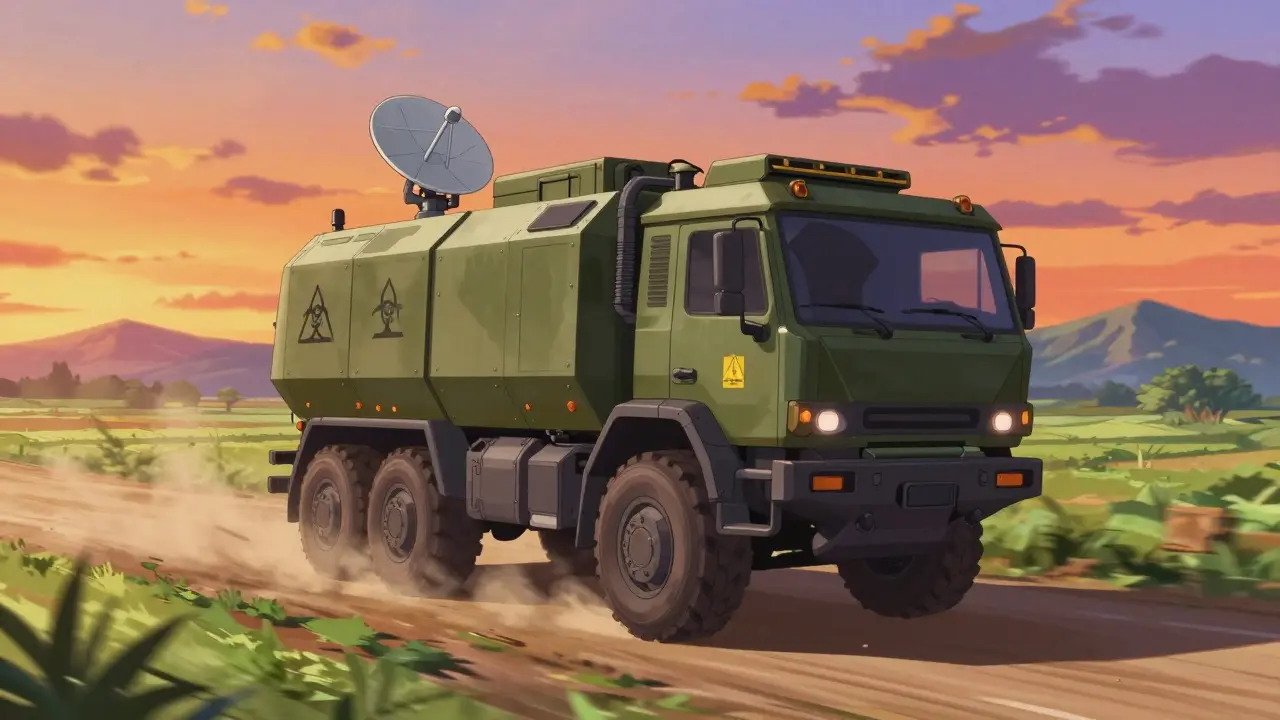
Rural residents sometimes struggle with access. Historically, urban areas had one site per 15,000 residents, while rural areas averaged one per 50,000. To fix this, the DEA introduced mobile collection units in 2025. These vehicles travel to underserved communities more than 25 miles from traditional sites. If you live in a remote area, check the map specifically for "mobile unit" markers on event days.
Why Disposal Matters More Than You Think
It is easy to think, "My leftover Tylenol isn’t going to hurt anyone." But statistics tell a different story. According to the National Survey on Drug Use and Health, millions of people misuse prescription drugs annually. A significant portion of these cases involve individuals taking medications found in family members' medicine cabinets. Children, teenagers, and pets are particularly vulnerable.
Accidental ingestion is not the only risk. Diversion is a real issue. Unused opioids often end up being shared among friends or sold, fueling addiction crises. By disposing of them through official channels, you break that chain. As Attorney General Pamela Bondi noted in 2025, "Prescription drugs may be legal, but they are still powerful-and can present significant risk to those in your household."
There is also an environmental angle. Flushing medications washes them directly into water supplies, affecting aquatic life and potentially contaminating drinking water sources. Landfill disposal can leach chemicals into soil. Incineration, which is how the DEA destroys collected drugs, ensures complete destruction without environmental leakage.
Alternatives When You Miss the Date
Life gets busy. You might forget the date, miss the 10 a.m. to 2 p.m. window, or simply realize you have extra meds three months after the event. Does that mean you keep them forever? No.
The DEA authorizes over 14,000 permanent collection sites year-round. These are usually kiosks found in pharmacies like CVS or Walgreens, as well as some hospitals and police stations. Unlike the biannual events, these kiosks are available 24/7. However, availability varies by location. Not every store has one. Check the same DEA map or app to filter for "year-round" sites.
If you cannot find a kiosk or wait for the next Take-Back Day, the FDA provides specific instructions for home disposal. For most medications, you should mix them with an unpalatable substance like dirt, cat litter, or used coffee grounds. Place the mixture in a sealed plastic bag and throw it in the household trash. Remove or scratch out personal information on the label first to protect your privacy. Only flush medications if the FDA explicitly lists them as unsafe for other disposal methods-a short list that includes highly potent opioids like fentanyl patches.
Preparing for Your Visit
To make your experience smooth, follow these quick steps:
- Gather early: Start collecting unused meds weeks before the event. Check bathrooms, nightstands, and glove compartments.
- Check the weather: Events are outdoors or in parking lots. If rain is forecasted, bring an umbrella or cover your bag.
- Arrive early: Lines can form, especially near large hospitals or central police stations. Getting there at 9:45 a.m. ensures you are served before lunch rush.
- Bring ID? No: Remember, it is anonymous. Do not bring your driver’s license unless you want to volunteer or ask questions about becoming a host site.
This process takes minutes. Drop off the bag, say thank you to the officer or volunteer, and drive away knowing you made your home safer.
Is National Prescription Drug Take-Back Day truly anonymous?
Yes. The DEA does not require identification, registration, or receipts when you drop off medications. Law enforcement officers are instructed not to question donors about the source of the drugs. The goal is safe disposal, not investigation.
Can I bring over-the-counter medications like ibuprofen or allergy pills?
Technically, yes. While the program focuses on controlled substances like opioids and stimulants, most sites will accept non-controlled prescriptions and even over-the-counter meds if you wish. However, standard trash disposal is generally safe for OTC drugs unless you have specific environmental concerns.
What happens to the drugs after they are collected?
Collected medications are transported securely to licensed waste treatment facilities. They are incinerated at high temperatures, ensuring complete destruction. This method prevents diversion and minimizes environmental impact compared to landfill or water disposal.
Are there penalties for bringing illegal drugs to a Take-Back site?
Yes. The program is strictly for prescription medications. Bringing illicit substances such as marijuana, cocaine, or heroin to a DEA-sponsored event is a federal crime. Officers are trained to identify and report such attempts.
How often does National Prescription Drug Take-Back Day occur?
The event is held twice a year, typically on the last Saturday of April and the last Saturday of October. Each event runs from 10 a.m. to 2 p.m. local time at participating sites.
Can I donate unused medications to charity instead of throwing them away?
No. Federal law prohibits the redistribution of dispensed prescription drugs. Even if a medication is unopened and within its expiration date, it cannot be donated to shelters or charities due to liability and safety regulations. Proper disposal is the only legal option.