There is nothing quite like the dread of staring at a large bottle of foul-tasting laxative solution. You know you have to drink it. You know your health depends on it. But the thought of spending the next six hours chained to a toilet sounds like a special kind of torture. If you are preparing for a colonoscopy is a medical procedure used to examine the inner lining of the large intestine (colon) and rectum, this anxiety is completely normal. However, here is the hard truth: if you do not prepare correctly, the doctor cannot see anything. A dirty colon means missed polyps, missed cancer risks, and worst of all, having to repeat the entire ordeal in a few months.
The good news? You can make this process manageable. In fact, with the right strategy, you might even sleep through part of it. This guide cuts through the medical jargon and gives you a practical, step-by-step plan to get that perfect "clear yellow liquid" result without losing your mind.
Why Your Prep Matters More Than the Procedure
We often focus on the sedation or the recovery, but the real battle is won or lost before you ever enter the hospital room. According to data from UCI Health, colorectal cancer is nearly 90% preventable through screening, but only if the screen works. The problem? About 20-25% of colonoscopies have suboptimal cleansing. When the view is blurry, doctors miss precancerous polyps in up to 47% of those cases. That is a staggering statistic.
Your goal is to achieve what gastroenterologists call an "excellent" Boston Bowel Preparation Scale score. This means the colon walls are shiny and clean. Why does this matter? Because excellent preparation increases the adenoma detection rate (ADR) is the percentage of patients found to have one or more adenomatous polyps during colonoscopy by 15-25%. Higher ADR directly correlates with lower risk of interval cancers-cancers that develop between screenings. You are not just drinking gross juice; you are buying yourself peace of mind for the next ten years.
The 3-Day Timeline: What to Eat and When
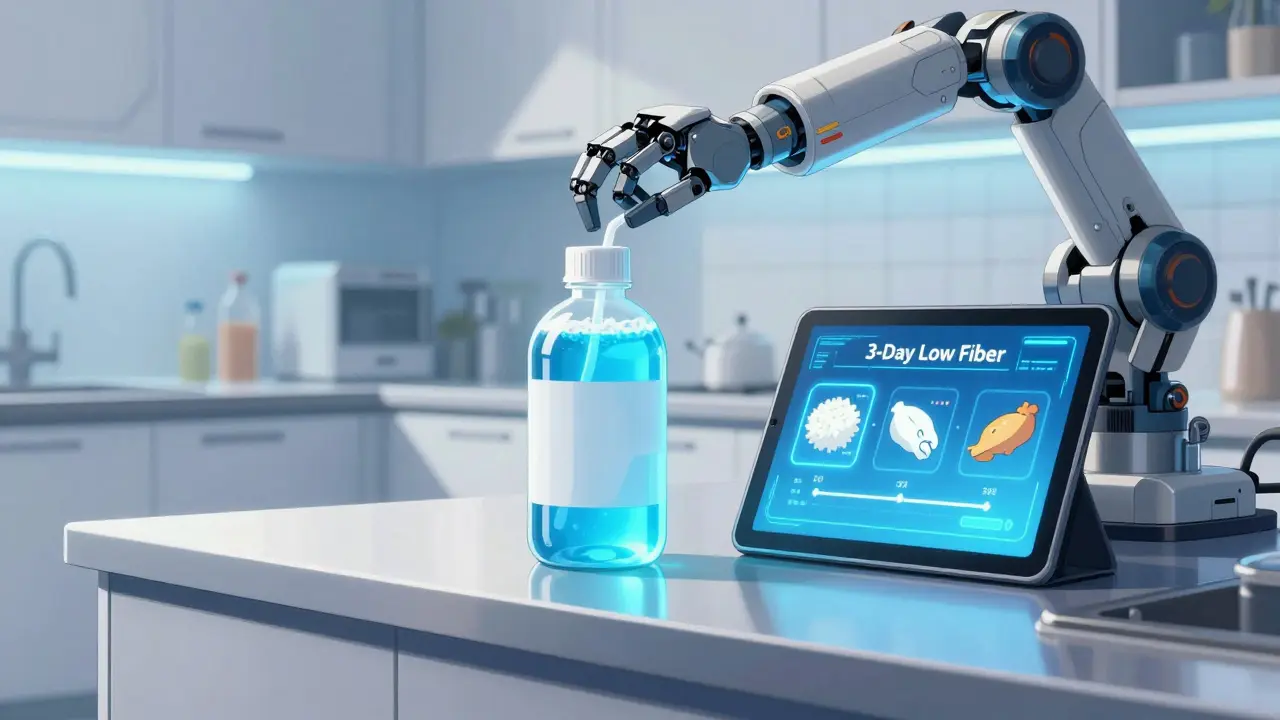
Preparation isn't just about the day before. It starts three days out. Think of this as tapering off fiber so your digestive system doesn't fight back when the laxatives hit.
| Timeframe | Diet Type | Allowed Foods | Forbidden Foods |
|---|---|---|---|
| 3 Days Before | Low-Fiber Transition | Eggs, white rice, chicken breast (no sauce), pasta, salmon | Raw fruits, raw vegetables, nuts, seeds, whole grains, dairy |
| Day Before (Noon onwards) | Clear Liquid Only | Water, apple juice, white grape juice, ginger ale, black coffee, broth | All solid foods, red/purple/orange liquids, alcohol, milk |
| Morning Of | NPO (Nothing by Mouth) | None after cutoff time | Everything |
On the first two days, stick to small portions. Overeating low-fiber foods now will just create more waste later. On the day before, switch to clear liquids at noon. No solids. Not even a cracker. Clear liquids include water, sports drinks (Gatorade, but avoid red/purple), clear broths, and gelatin (Jell-O) as long as it’s not red or purple. Black coffee and tea are fine, but skip the creamer.
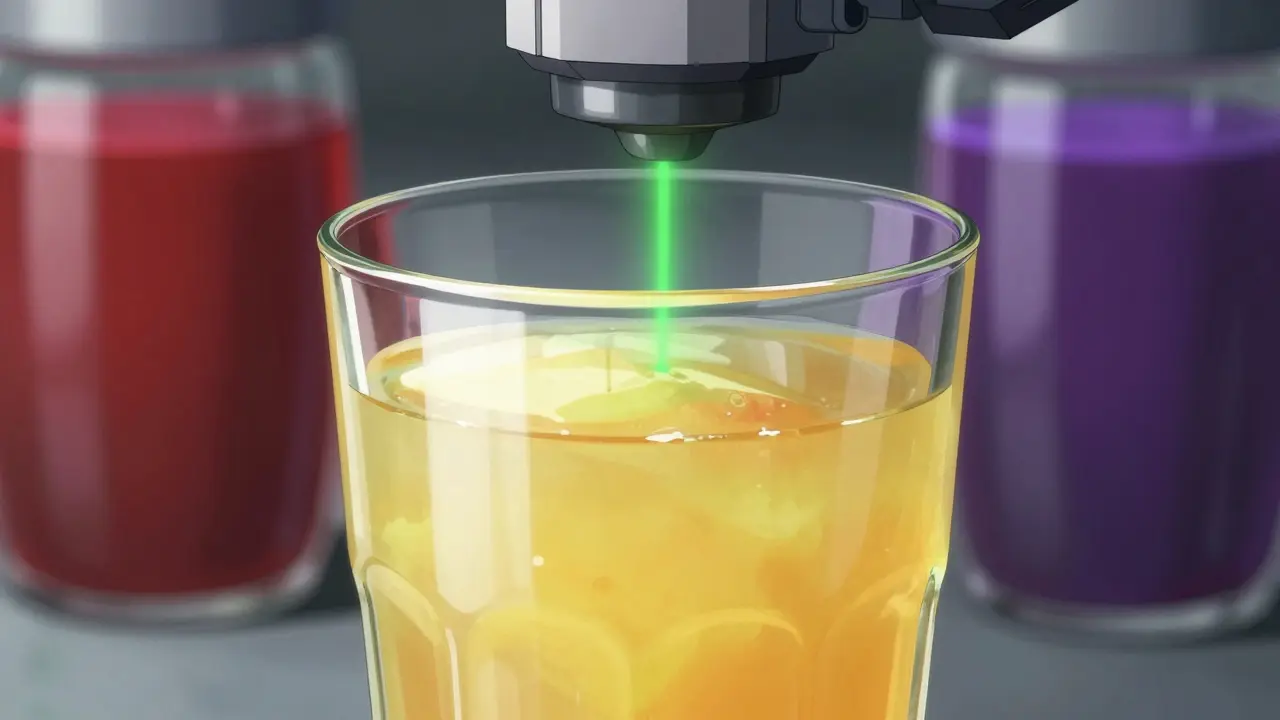
The Golden Rule: No Red, Purple, or Orange Liquids
This is non-negotiable. You might think a glass of cranberry juice or a splash of orange soda is harmless, but to a doctor looking through a scope, red looks like blood. Purple can look like bruising or inflammation. Orange can obscure the mucosal lining. If you drink these, the doctor may stop the procedure because they cannot distinguish between a dangerous lesion and a stain from your breakfast. Stick to yellow, green, or clear colors. Apple juice and white grape juice are your best friends here.
Mastering the Laxative Solution
Now we get to the main event: the bowel prep medication. Most protocols use a split-dose regimen. This means you drink half the solution the night before and the other half the morning of the procedure. Studies show split-dosing achieves adequate cleansing in 85-90% of cases, compared to only 70-75% for single-dose methods. Here is how to survive it:
- Chill It: Do not drink it warm. Cold numbs the taste buds slightly. Keep the bottles in the fridge until you are ready to drink.
- Use a Straw: Place the straw toward the back of your tongue. This bypasses many of your taste receptors located on the front and sides of the tongue.
- The Chaser Method: Alternate sips of prep with sips of a clear, flavored liquid like lemon-lime soda or apple juice. Some patients mix the prep into a large container of chilled Gatorade (yellow/green) to mask the saltiness.
- Set Alarms: You need to drink one 8-ounce glass every 10-15 minutes. It is easy to zone out. Set phone alarms to keep you on pace. If you drink it too fast, you will vomit. Too slow, and it won’t work.
If you are using MiraLAX mixed with Gatorade, stir it thoroughly until no powder remains at the bottom. Undissolved powder can irritate your stomach. For pill-based preps like Sutab, ensure you have enough water to wash them down, as dehydration is a major risk.
Hydration: The Silent Key to Success
Many people think, "I’m drinking gallons of fluid, I must be hydrated." Wrong. The laxatives flush electrolytes out of your body rapidly. Dehydration leads to dizziness, headaches, confusion, and fainting. It also makes the prep less effective because your kidneys hold onto water when dehydrated, reducing urine output and slowing bowel movement.
Aim for 64-96 ounces of clear fluids throughout the prep day. Sip constantly while awake. Electrolyte replacement drinks are crucial here. They help maintain your sodium and potassium levels. If you feel lightheaded, sit down immediately. Drink an electrolyte solution slowly. If symptoms persist, call your doctor. Never ignore signs of severe dehydration.

Comfort Kit: What to Pack for Bathroom Hours
You will be near a toilet for 4-8 hours. Make that experience bearable. Bowel Cancer Australia recommends stocking up on specific comfort items. Here is your checklist:
- Zinc Oxide Cream or Hemorrhoid Ointment: Apply this liberally before you start drinking the prep. The frequent wiping and acidic stool will cause burning. A barrier cream prevents skin breakdown.
- Unscented Wet Wipes: Regular toilet paper will sting. Flushable wipes are gentler, but check your plumbing. If unsure, use baby wipes and dispose of them in a trash bin, not the toilet.
- Vaseline or Petroleum Jelly: Another option for protecting the anal area from irritation.
- Entertainment: Download movies, podcasts, or audiobooks. You will have long stretches of waiting between bathroom trips. Boredom makes the pain worse.
- Old Towels and Sheets:**: Accidents happen. Protect your bedding. Have a dedicated "prep chair" or spot in the house where you can relax between runs.
Common Mistakes That Ruin Preps
Even with the best intentions, patients slip up. Here are the top errors identified by gastroenterologists:
- Eating Solids the Day Before: Even a small piece of popcorn or seed can hide behind a fold in the colon. If the doctor sees undigested food, they may cancel the procedure.
- Ignoring Medication Instructions: Iron supplements and fiber supplements (like Metamucil) must be stopped 3 days before. They darken stool and add bulk. Pain medications containing codeine or opioids cause constipation. Ask your doctor which meds to pause.
- Drinking the Last Dose Too Late: You must finish the second half of your prep at least 4-6 hours before your procedure time. If you drink it at 7 AM for an 8 AM appointment, it hasn’t had time to work. You will still have residue in your colon.
- Not Arranging a Ride: Sedation impairs your reflexes. You cannot drive for 24 hours. If you don’t have a designated driver, the procedure will be canceled. Plan this now.
When to Call the Doctor
Some side effects are normal; others are warning signs. Mild cramping and bloating are expected as the laxatives stimulate bowel movements. Nausea is common but should pass once you stop drinking the solution. However, contact your healthcare provider immediately if you experience:
- Severe abdominal pain that doesn’t go away with passing gas or stool.
- Vomiting that prevents you from keeping any fluids down.
- Signs of severe dehydration: dark urine, extreme thirst, dry mouth, rapid heartbeat, or fainting.
- Blood in your stool that is bright red and heavy (small streaks can be normal due to irritation, but heavy bleeding is not).
Remember, the discomfort of prep is temporary. The benefit of a clear exam is lasting. By following these steps, you give your doctor the best chance to find and remove any issues before they become serious. You’ve got this.
How long does it take for colonoscopy prep to work?
Most patients begin experiencing diarrhea within 2 to 3 hours after taking the first dose of laxative. The process typically continues for 4 to 8 hours. You will know the prep is working when your stool turns from solid to brown liquid, then to clear yellow or light green liquid. Once the output is clear with no solid particles, your colon is likely clean.
Can I drink water during colonoscopy prep?
Yes, you should drink plenty of water. Hydration is critical to prevent dehydration and help the laxatives work effectively. Aim for 8 ounces of water per hour while awake. Water is a clear liquid and is allowed until your cutoff time, usually 3 hours before the procedure.
What happens if my colon isn't clean enough?
If the colon is not clean, the doctor may not be able to see the lining clearly. This increases the risk of missing polyps or cancer. In many cases, the doctor will cancel the procedure and reschedule it for another date. This means you will have to undergo the prep and procedure again. Proper preparation is essential to avoid this outcome.
Can I eat Jell-O before a colonoscopy?
Yes, but only if it is not red or purple. Green, yellow, or clear flavors are acceptable. Avoid Jell-O with fruit pieces or seeds inside. Gelatin is considered a clear liquid and provides some calories and energy during the fasting period.
Do I need to stop taking my regular medications?
It depends on the medication. You must stop iron supplements, fiber supplements, and blood thinners (if instructed by your doctor) several days before. Most blood pressure and heart medications can be taken with a small sip of water on the morning of the procedure, but always confirm with your prescribing physician. Never stop chronic medications without medical advice.