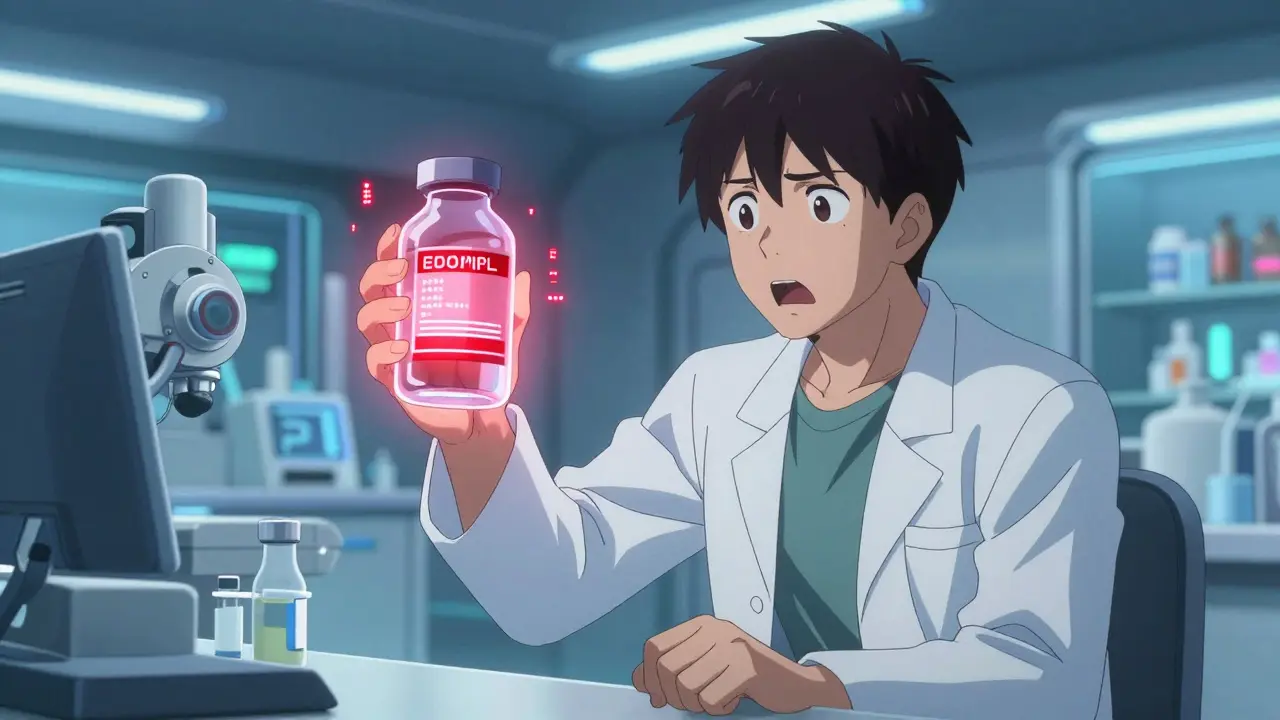
Imagine picking up your prescription, heading home, and realizing the bottle contains the wrong medication or an incorrect dosage. It is a terrifying moment that strikes fear into any patient. You are not alone in this experience. Medication errors are more common than many realize, affecting millions of people annually and costing healthcare systems billions in additional care and lost productivity. But what do you actually do when you spot a mistake? Do you swallow it to avoid conflict, or do you take action?
Reporting a pharmacy error is not just about getting your correct medication; it is a critical step in preventing harm to others. The system relies on patients like you to flag issues so that pharmacies, regulators, and manufacturers can fix broken processes. This guide walks you through exactly how to report these errors, which agencies handle them, and what realistic outcomes you can expect after submitting your complaint.
Understanding Pharmacy Errors and Why Reporting Matters
Before diving into the 'how,' it helps to understand the 'why.' Pharmacy errors are mistakes made during the dispensing process that can lead to patient harm, including wrong drugs, incorrect dosages, improper labeling, or lack of counseling. These aren't always simple slip-ups. They often point to deeper systemic issues-like confusing drug names, understaffed shifts, or flawed software interfaces.
The scale of the problem is significant. According to data from the Institute of Medicine, medication errors harm at least 1.5 million people annually in the United States alone. The financial toll is equally staggering, with costs reaching approximately $3.5 billion per year due to disability, extra medical visits, and lost work time. When you report an error, you are contributing to a database that helps identify these patterns. As Dr. Michael Cohen, President of the Institute for Safe Medication Practices (ISMP), noted, the value of reporting lies not in counting mistakes but in understanding their root causes to redesign systems that prevent future harm.
Many patients hesitate to report because they feel it's too much hassle or worry about retaliation. However, modern reporting frameworks are designed to be non-punitive toward individuals while holding systems accountable. Your report could be the missing piece that stops a dangerous trend before it affects another family.
Immediate Steps to Take After Discovering an Error
If you suspect a pharmacy error, act quickly but calmly. Your first priority is patient safety. If you have already taken the medication, contact your doctor or poison control immediately. Do not wait for symptoms to appear if you know the drug is wrong.
Next, gather evidence. This is crucial for any formal investigation. Keep the original medication container, even if it is empty. Take clear photos of the label, the pills inside, and any accompanying paperwork. If you have the prescription slip or a digital record from your doctor, save that too. Documentation makes your claim credible and easier for investigators to process.
Contact the pharmacy directly first. Sometimes, errors are honest mistakes that can be corrected on the spot. Speak to the pharmacist in charge, not just the technician who handed you the bag. Explain clearly what happened. Ask for a written explanation of the error. While this might resolve the immediate issue of getting the right drug, it does not replace the need for formal reporting if the error was serious or if the pharmacy is uncooperative.
Where to Report: Key Agencies and Systems
If the pharmacy dismisses your concern, or if the error poses a significant health risk, you need to escalate the issue. There are several channels available, each serving a different purpose. Choosing the right one depends on your location and the nature of the error.
| Agency/System | Primary Focus | Best For | Response Time/Outcome |
|---|---|---|---|
| FDA MedWatch | Federal drug safety surveillance | Adverse events, product defects, widespread issues | No direct follow-up; data used for national alerts |
| State Board of Pharmacy | Licensing and disciplinary action | Local pharmacy misconduct, repeated errors | Investigation may lead to fines or license suspension |
| ISMP MERP | Confidential system analysis | Detailed root cause analysis, near-misses | Analyzes trends; no individual case resolution |
| NHS Complaints Procedure | UK healthcare service quality | Patient experience issues in England | Written response within set timeframe |
FDA MedWatch (United States)
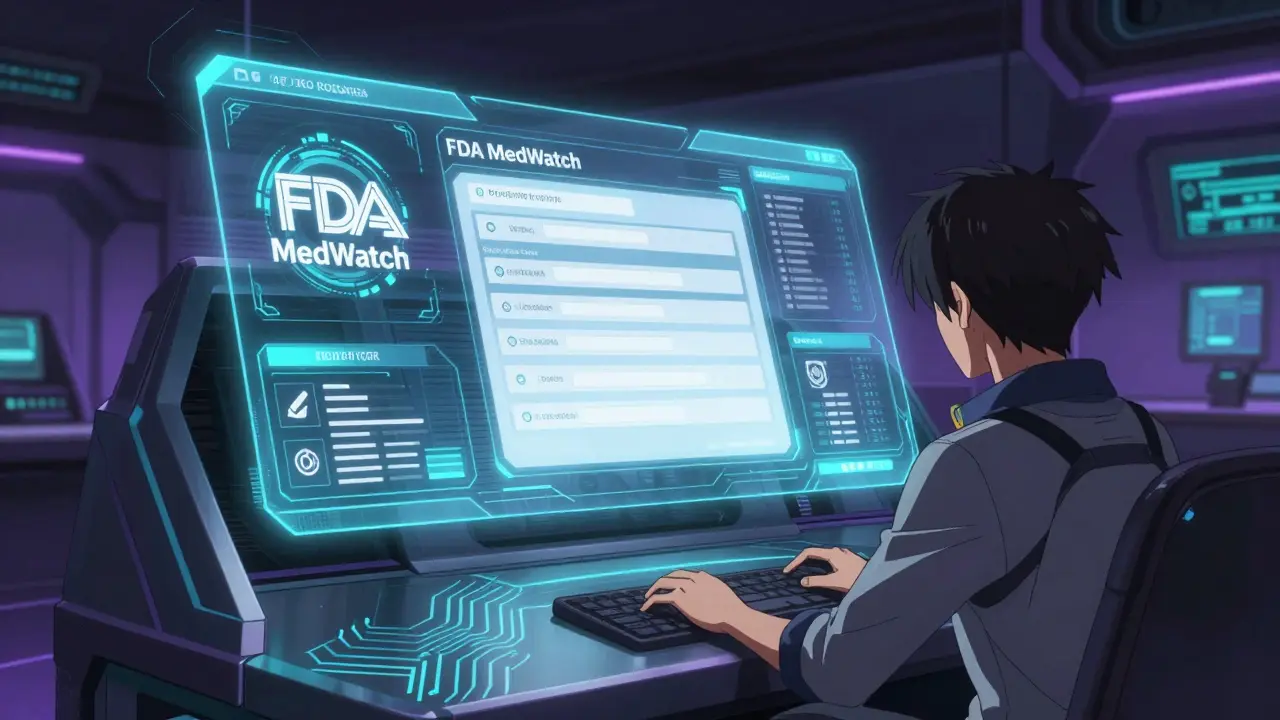
The Food and Drug Administration’s MedWatch program is the primary federal mechanism for reporting adverse events and product problems related to medications and medical devices. Launched in 1993, it allows consumers and healthcare professionals to submit reports online, by phone, or via Form 3500B. About 85% of consumer reports are now submitted electronically. While MedWatch processes over 1.3 million reports annually, it is important to note that it is a passive surveillance system. You likely will not receive a personal reply, but your data contributes to national safety alerts and potential recalls.
State Boards of Pharmacy
For issues specific to a local pharmacy’s conduct, your state board is the most direct authority. In California, for example, the State Board of Pharmacy requires specific documentation, including prescription copies and the original container. They conduct formal investigations that can result in disciplinary actions. In 2021, the California Board received 1,842 complaints, resulting in 217 disciplinary actions. Check your state’s specific requirements, as timelines vary-some require reports within 12 months of the incident.
Institute for Safe Medication Practices (ISMP) MERP
The National Medication Errors Reporting Program (MERP) run by ISMP is a confidential reporting system focused on analyzing error trends rather than punishing individuals. Established in 1991, it analyzes around 12,000 reports annually. ISMP uses the NCC MERP Index for Causality to assess severity. This is ideal if you want your report to contribute to systemic change without necessarily triggering a legal investigation against the pharmacy staff.
NHS Complaints Procedure (UK)
If you are in England, the NHS complaints procedure handles reports within 12 months of the incident. The pharmacy or NHS trust must acknowledge your complaint within three working days and provide a written response after investigation. This system focuses on learning and improving service quality rather than individual blame.
What Happens After You Submit a Report?
Submitting a report is only the beginning. Understanding the backend process helps manage expectations. Here is the typical lifecycle of a pharmacy error report:
- Acknowledgment: Depending on the agency, you may receive an automatic confirmation email or letter. For instance, state boards often acknowledge receipt within 14 days.
- Triage and Review: Specialists review the report for completeness. If information is missing, they may request more details. Reports with attached documentation are 3.7 times more likely to result in corrective action.
- Investigation: Regulatory bodies may interview staff, review pharmacy logs, and inspect facilities. In the UK, this happens internally within the trust. In the US, state boards may launch formal probes.
- Analysis and Action: Data is aggregated. If a pattern emerges-such as multiple errors with a specific drug name-the FDA may issue a safety alert, or the pharmacy may be required to implement new safeguards.
- Closure: You may receive a final letter stating the outcome. However, many agencies, like the FDA, do not provide individual feedback due to volume constraints.
It is vital to remember that these processes are slow. Average resolution times can range from 7 days to 6 months. Patience is key. Your role is to provide accurate data; the rest is up to the regulatory machinery.
Common Barriers and How to Overcome Them
Why don’t more people report errors? Studies show that only 14.3% of serious medication errors are reported to formal systems. Fear of retribution, lack of awareness, and the belief that "it won’t make a difference" are top barriers.
To overcome these:
- Know your rights: Laws like the Patient Safety and Quality Improvement Act of 2005 protect certain patient safety information from being used against providers in litigation, encouraging open reporting.
- Use anonymous options: Systems like ISMP MERP allow confidential reporting if you are worried about privacy.
- Focus on the bigger picture: Even if your individual case doesn’t get a dramatic resolution, your data helps build the case for systemic changes that protect thousands of others.

Preventing Future Errors: Tips for Patients
While reporting is essential, prevention is better. You can play an active role in safeguarding your health:
- Ask questions: When picking up medication, ask the pharmacist to explain what it is for, how to take it, and what side effects to watch for.
- Check the label: Compare the name on the bottle with what your doctor prescribed. Check the dosage and frequency.
- Maintain a medication list: Keep an updated list of all your drugs, supplements, and allergies. Share this with every healthcare provider you see.
- Use one pharmacy: Consolidating your prescriptions at one location allows the pharmacist to check for dangerous interactions more effectively.
Conclusion: Your Voice Matters
Reporting a pharmacy error can feel daunting, but it is a powerful act of advocacy. Whether you use the FDA MedWatch portal, contact your state board, or reach out to ISMP, your contribution strengthens the entire healthcare safety net. By understanding the process and knowing where to turn, you ensure that mistakes are not just corrected for you, but prevented for everyone else. Don’t let fear or inconvenience silence you. Your report could save a life.
How long do I have to report a pharmacy error?
Timelines vary by jurisdiction. In the UK, the NHS requires complaints within 12 months of the incident. In the US, state boards often have similar windows, typically ranging from 6 months to 2 years. The FDA MedWatch program does not have a strict deadline for reporting adverse events, but sooner is better for accuracy. Always check your local state board’s specific regulations.
Will reporting a pharmacy error affect my relationship with my pharmacist?
Ideally, no. Most pharmacists view error reporting as a tool for improvement, not punishment. However, some patients fear awkwardness or retaliation. To mitigate this, you can report anonymously through systems like ISMP MERP. If you choose to report through state boards, the process is generally confidential regarding your identity as the complainant.
What should I include in my pharmacy error report?
Include as much detail as possible: the date and time of the incident, the name of the pharmacy, the names of the medications involved (both prescribed and dispensed), and a clear description of the error. Attach photos of the medication container, label, and any relevant prescription slips. If you experienced side effects, document those as well.
Can I sue a pharmacy for a dispensing error?
Yes, if the error caused you physical harm or financial loss, you may have grounds for a malpractice lawsuit. However, reporting to regulatory agencies is separate from legal action. Consulting with a healthcare attorney is recommended if you suffered significant injury. Note that some reporting systems offer legal protections for the safety information itself, but this does not preclude civil lawsuits for damages.
Is the FDA MedWatch report confidential?
The FDA treats reports submitted through MedWatch as confidential to the extent permitted by law. However, if the FDA shares information with other agencies or in legal proceedings, your identity might be disclosed. For maximum anonymity, consider using the ISMP MERP system, which is designed specifically for confidential, non-punitive reporting.




Gareth Tyler
May 25, 2026 AT 09:31Sharon O’Mahonh
May 25, 2026 AT 20:35Jonhnnie john13
May 26, 2026 AT 16:36Anthony Padilla
May 28, 2026 AT 04:17Elizabeth Fandry
May 28, 2026 AT 10:01Madeline Petes
May 30, 2026 AT 06:35Ramanath Rao
May 31, 2026 AT 15:22irine sabrina
May 31, 2026 AT 16:53Gary Helminiak
June 1, 2026 AT 12:59Nivetha Narayanan
June 1, 2026 AT 14:16