Chemotherapy is tough on your body. It attacks fast-growing cells, but it doesn't always tell the difference between cancer cells and the healthy ones lining your stomach or muscle tissue. The result? Nausea that won’t quit and a scale that drops faster than you’d like. But here’s the good news: what you eat can make a massive difference in how you feel and whether you stay strong enough to finish your treatment.
You don’t need a fancy superfood regimen. You need a strategy that works with your side effects, not against them. This guide breaks down exactly how to manage nausea, keep your weight stable, and fuel your body when every bite feels like a challenge.
Why Your Diet Changes During Chemo
When you’re healthy, eating well means balance, fiber, and moderation. During chemotherapy, those rules change completely. Your body is in repair mode. It needs more energy and significantly more protein to rebuild tissues and maintain your immune system.
According to the European Society for Clinical Nutrition and Metabolism (ESPEN), patients undergoing active treatment need about 1.2 to 2.0 grams of protein per kilogram of body weight daily. That’s nearly double what a healthy adult needs. Caloric requirements also jump by 20-30%. If you weigh 70kg, you might need an extra 500-800 calories a day just to stay even.
Ignoring these needs isn’t just about feeling hungry. Malnutrition during chemo increases treatment toxicity by 37% and can delay recovery by up to three weeks. So, this isn’t about getting "fit." It’s about survival and staying on track with your medical plan.
Taming the Nausea: Practical Food Strategies
Nausea is the biggest barrier to eating. If you can’t keep food down, you can’t get the nutrients you need. The Academy of Nutrition and Dietetics recommends specific tactics that have helped thousands of patients:
- Go small and frequent. Three large meals often overwhelm a sensitive stomach. Aim for five to six tiny meals instead. Think 300-400 calories per sitting. Keep snacks visible around the house so you eat before hunger turns into nausea.
- Skip the grease. High-fat foods sit in the stomach longer and trigger nausea in over 70% of patients. Stick to lean proteins, baked potatoes, or plain crackers.
- Watch the temperature. Hot foods release strong aromas that can set off your gag reflex. Try cold or room-temperature foods like chilled watermelon, yogurt, or smoothies. Cold smells less.
- Separate fluids from solids. Drinking while eating fills your stomach too quickly. Sip liquids between meals, not with them. Aim for small sips throughout the day rather than big glasses at once.
- Try ginger. Many patients find relief with ginger chews or tea. In patient forums, ginger was one of the most frequently cited natural remedies for calming the stomach.
If metal utensils give you a metallic taste-a common side effect-switch to plastic forks and spoons. It sounds small, but it can make the difference between finishing a meal and pushing the plate away.
Fighting Unintentional Weight Loss
Weight loss during chemo is rarely about willpower; it’s about appetite suppression and metabolic changes. The goal isn’t to lose weight-it’s to hold onto it. Losing lean muscle mass weakens your ability to handle treatment doses.
To combat this, focus on calorie density. You may not be able to eat much volume, so every bite needs to count. Here are high-calorie, easy-to-digest options:
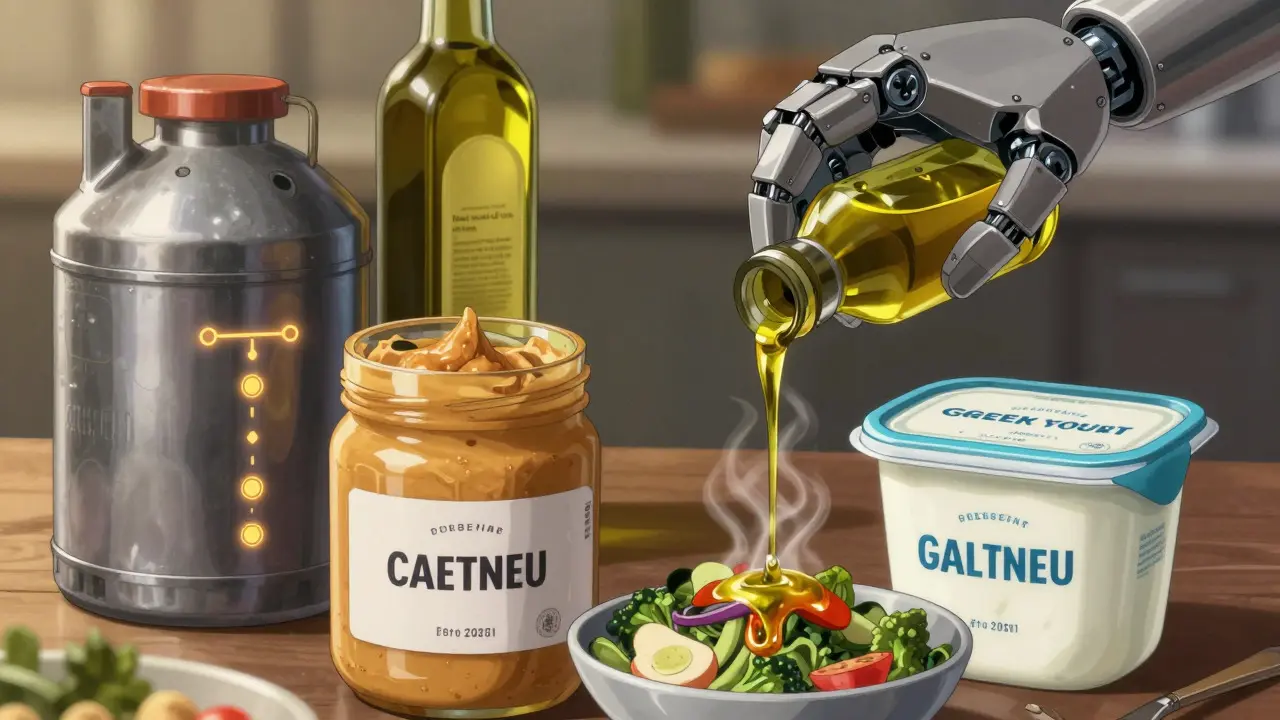
- Peanut butter crackers: Around 220 calories per serving.
- Trail mix: A quarter cup of nuts and dried fruit packs about 280 calories.
- Full-fat Greek yogurt: Blend it with honey and peanut butter for a protein-rich shake.
- Olive oil: Drizzle it over vegetables or pasta. It adds calories without adding bulk.
If whole foods feel impossible, don’t hesitate to use nutritional supplements. While brands like Ensure Plus can be expensive ($35-$45 for a 12-pack), homemade shakes using milk, protein powder, and fruit are a cost-effective alternative. Many patients report that keeping a blender stocked with ingredients saves them when cooking feels overwhelming.
The Protein Priority: What and How Much
Protein is the building block for healing. Without enough of it, your muscles break down, and your immune system falters. The National Cancer Institute suggests aiming for 20-30 grams of protein at each small meal.
Where do you get it if meat makes you nauseous? Look beyond beef and chicken:
- Eggs: Cooked thoroughly until the yolk is firm (160°F/71°C) to avoid Salmonella risk.
- Dairy: Cheese, cottage cheese, and milk are gentle on the stomach.
- Legumes: Lentils and beans are great, but only if they don’t cause gas or bloating.
- Supplements: Whey or plant-based protein powders mixed into smoothies.
Dr. Lisa C. Hutchins, an oncology nutrition specialist, notes that patients need 25-35% more protein than healthy individuals to maintain nitrogen balance. Tracking your intake for a few days can help ensure you’re hitting those targets. Apps or simple notebooks work best-don’t let tracking become another stressor.
Food Safety: Protecting Your Immune System
Chemo lowers your white blood cell count, making you vulnerable to infections. Foodborne illnesses that might give a healthy person a bad day could hospitalize you. This is non-negotiable.
Follow these strict safety rules:
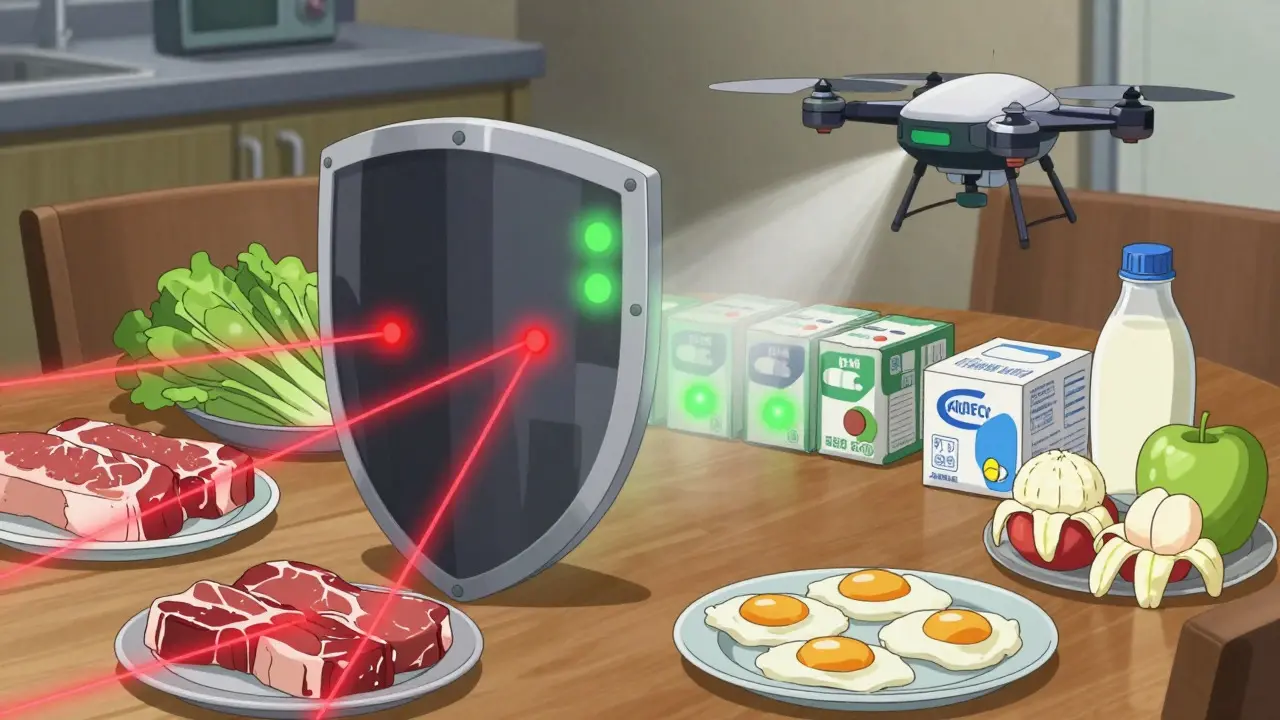
- No raw or rare meats. Beef, pork, and poultry must be cooked thoroughly.
- Avoid raw fish. Sushi and sashimi are off-limits due to bacterial risks.
- Cook eggs fully. No runny yolks. Scrambled or hard-boiled is safer.
- Wash produce rigorously. Rinse fruits and vegetables under running water. Peel bananas, oranges, and avocados to remove surface bacteria.
- Check expiration dates. Don’t take chances with dairy or leftovers.
The Blood Cancer United guidelines emphasize that avoiding raw eggs in homemade mayo or Caesar dressing is critical. When in doubt, throw it out.
Comparison: Chemo Diet vs. General Healthy Eating
| Aspect | General Healthy Eating | During Chemotherapy |
|---|---|---|
| Meal Frequency | 3 main meals | 5-6 small meals/snacks |
| Protein Intake | 0.8 g/kg/day | 1.2-2.0 g/kg/day |
| Fiber | High (whole grains) | Low-Moderate (if diarrhea/nausea present) |
| Fat Content | Moderate healthy fats | Low fat to reduce nausea |
| Goal | Prevention/Maintenance | Recovery/Treatment Tolerance |
Notice the shift in fiber? While whole grains are great for prevention, high-fiber foods can irritate an inflamed gut during chemo. If you’re experiencing diarrhea, switch to refined grains like white rice or toast until things settle.
Omega-3s and Appetite Support
If your appetite has vanished, omega-3 fatty acids might help. ESPEN’s 2023 guidelines highlight that long-chain N-3 fatty acids (EPA/DHA) improved appetite in 62% of weight-losing cancer patients. They also helped increase body weight by an average of 2.3kg and boosted quality-of-life scores.
You can get these from fatty fish like salmon (cooked thoroughly) or through supplements. Aim for 1-2 grams of EPA/DHA daily, but check with your doctor first, especially if you’re on blood thinners.
When to Seek Professional Help
Self-management has limits. If you’re losing more than 5% of your body weight in a month, can’t keep liquids down for 24 hours, or have severe mouth sores (mucositis), you need professional intervention.
Only 35% of community oncology practices have access to specialized dietitians, according to Dr. Andrew Davies of Memorial Sloan Kettering. Don’t wait for a referral. Ask your oncologist for a consult with a registered dietitian who specializes in oncology. They can tailor a plan to your specific drug regimen and side effects.
In severe cases, enteral (tube) or parenteral (IV) nutrition may be necessary. This affects about 15-20% of patients on aggressive regimens. It’s not a failure; it’s a bridge to keep you nourished until your body recovers.
What should I eat if I have no appetite?
Focus on calorie-dense liquids and soft foods. Smoothies made with full-fat yogurt, peanut butter, and honey are excellent. Ice chips, popsicles, and chilled fruit can also provide hydration and some calories without triggering nausea. Eat whenever you feel a slight urge, even if it’s not mealtime.
Can I drink alcohol during chemotherapy?
It’s generally best to avoid alcohol. It can dehydrate you, interact with medications, and irritate your stomach lining. If you choose to drink, limit it to very small amounts and discuss it with your oncologist first. Water, herbal teas, and electrolyte solutions are safer choices.
How do I handle mouth sores (mucositis)?
Avoid acidic, spicy, or crunchy foods. Stick to bland, soft textures like mashed potatoes, oatmeal, and scrambled eggs. Use a straw to bypass sore areas in your mouth. Freezing grapes or sucking on ice chips can numb the pain temporarily. Saltwater rinses (1/2 tsp salt in 1 cup warm water) can help heal sores.
Is it safe to eat raw fruits and vegetables?
Yes, but only if washed thoroughly. Peel fruits like bananas, oranges, and melons to remove surface bacteria. Avoid unwashed leafy greens or berries if your white blood cell count is very low. When in doubt, cook vegetables to kill potential pathogens.
What if I’m gaining too much weight?
Don’t restrict calories drastically. Weight gain can sometimes come from fluid retention or steroids. Focus on nutrient density rather than restriction. Choose lean proteins and vegetables over empty carbs. Consult your care team to distinguish between healthy weight maintenance and fluid issues.