
When someone overdoses on opioids, every second counts. Their breathing slows, then stops. Their skin turns blue. They don’t respond to shouts or shakes. This isn’t a drill. And in many cases, the difference between life and death is a small nasal spray you can carry in your pocket. Naloxone nasal spray - commonly known by the brand name NARCAN - is not magic. But it’s one of the most reliable tools we have to reverse an opioid overdose. You don’t need to be a doctor. You don’t need a prescription. And you don’t need to wait for an ambulance. Here’s exactly how to use it.
What Naloxone Nasal Spray Does
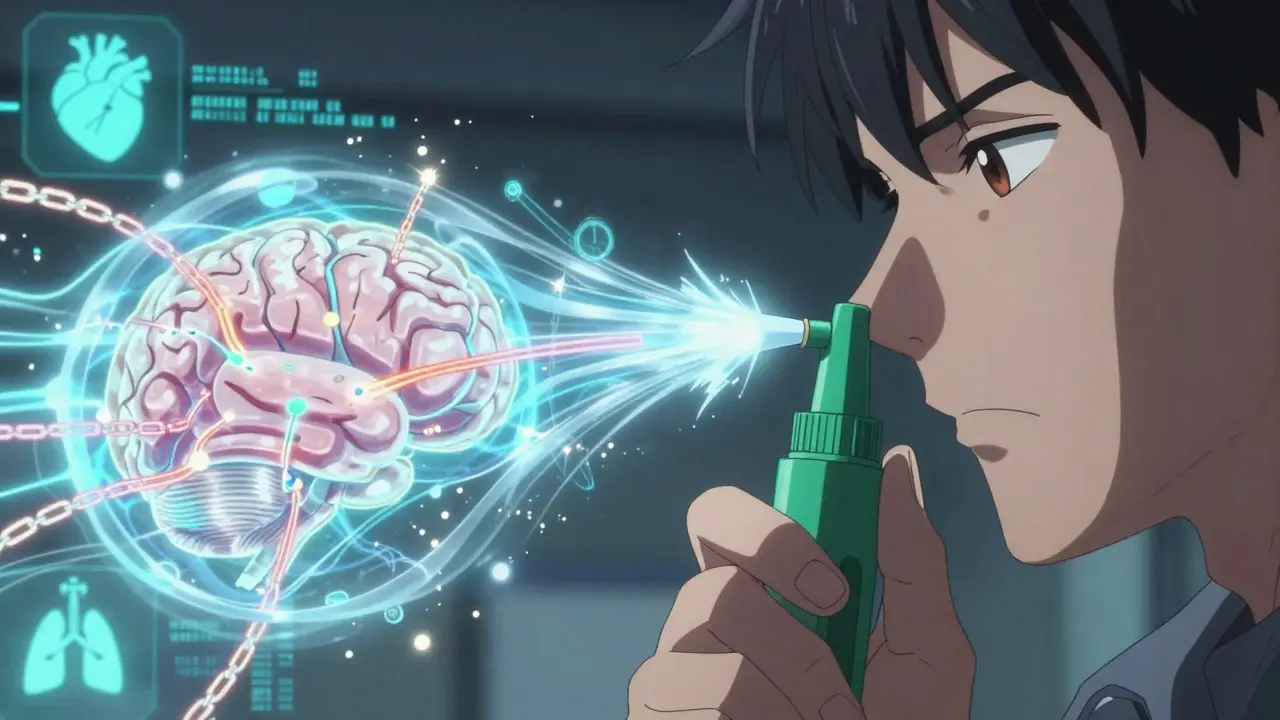
Naloxone works by kicking opioids off the brain’s receptors. Opioids - like heroin, fentanyl, oxycodone, or morphine - bind to these receptors and slow down breathing. Naloxone doesn’t feel good. It doesn’t get you high. It just takes the opioid’s spot, forces it out, and lets the person breathe again. It works within 2 to 5 minutes. It’s safe. Even if the person didn’t take opioids, naloxone won’t hurt them. It only works on opioids. And it’s FDA-approved for over-the-counter use since August 2023. That means you can buy it at pharmacies, grocery stores, or online without a prescription.
Recognizing an Opioid Overdose
You don’t need to know what drug they took. You just need to look for three key signs:
- Slow or stopped breathing - fewer than 12 breaths per minute, or no chest movement for 15 seconds.
- Unresponsive - shaking their shoulders, shouting their name, or rubbing their sternum (center of the chest) with your knuckles won’t wake them up.
- Pinpoint pupils - their pupils look like tiny dots, even in dim light.
Blue or gray lips and fingernails, cold skin, and gurgling sounds are also warning signs. If you see any of these, assume it’s an opioid overdose. Don’t wait. Don’t second-guess. Time is everything.
Step-by-Step: How to Use Naloxone Nasal Spray
Step 1: Call 911 First
Before you do anything else, call emergency services. Tell them: "Someone is not breathing. I think it’s an opioid overdose. I’m giving naloxone." This ensures help is coming while you act. In many places, Good Samaritan laws protect you from legal trouble if you call for help during an overdose.
Step 2: Lay Them on Their Back
Position the person flat on their back. Tilt their head back slightly to open the airway. This helps them breathe easier once naloxone kicks in. If they’re slumped over or lying on their side, gently roll them onto their back. Don’t waste time adjusting their clothes or searching for a pillow. Just get their head tilted back.
Step 3: Remove the Spray from the Package
Take the naloxone nasal spray out of its box. Don’t press the plunger yet. You’ll only get one shot. If you accidentally activate it, you lose the dose. The device looks like a plastic tube with a nozzle on one end and a green plunger on the other. It’s single-use. No needles. No mixing. No assembly.
Step 4: Insert the Nozzle Into One Nostril
Hold the device with your thumb on the plunger and your fingers on either side of the nozzle. Gently insert the nozzle into one of the person’s nostrils. Push it in until your fingers touch the bottom of their nose. That’s about half an inch to one inch deep. Don’t force it. Don’t poke. Just insert it snugly. The spray is designed to fit the shape of the nose - it’s not meant to go deep into the sinuses.
Step 5: Press the Plunger Fully
Press the green plunger down hard and steady until it stops. You should hear or feel a click. This delivers the full 4 mg dose. Don’t half-press. Don’t pump it. Just press all the way down. Studies show 18% of first-time users don’t press hard enough, which means the full dose doesn’t go in. That’s a life you might lose.
Step 6: Wait 2 to 3 Minutes
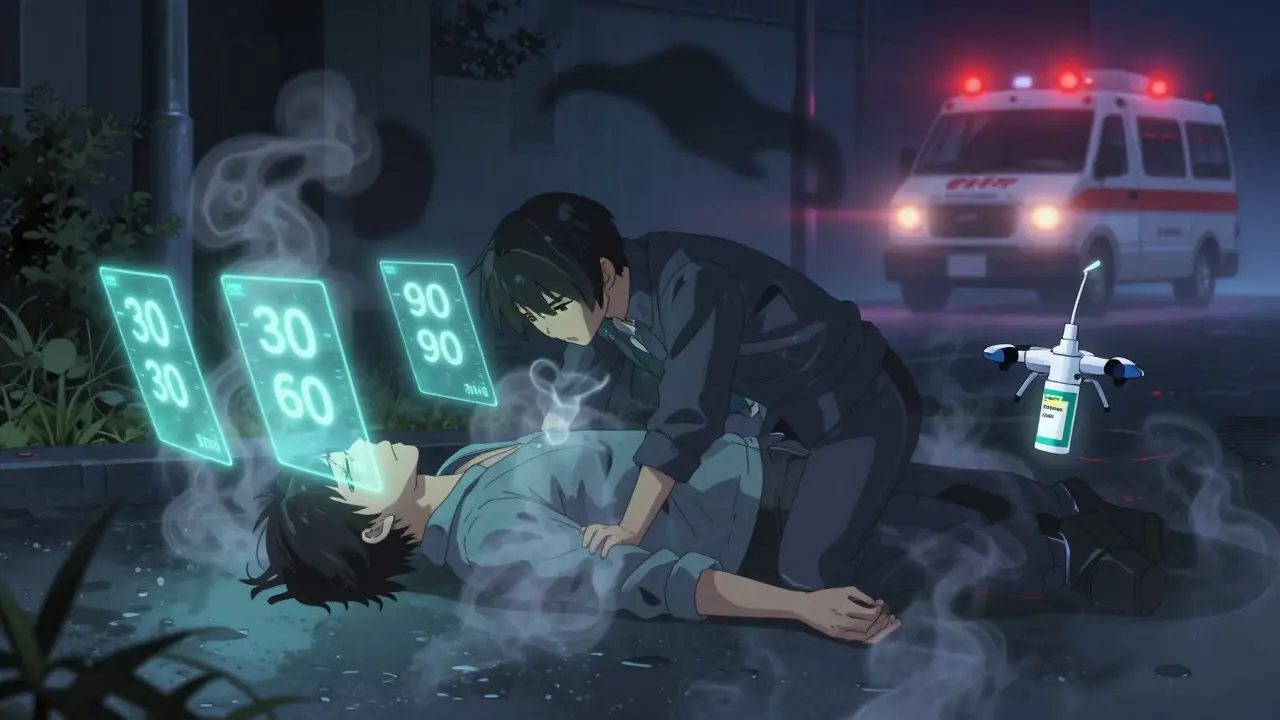
Remove the spray. Watch their chest. Are they breathing? Are they moving? Are their lips turning pink? If they start breathing on their own, you’re in the clear - for now. But don’t leave them alone. Keep watching. Naloxone wears off in 30 to 90 minutes. Opioids like fentanyl can last longer. That’s why you need to monitor them for at least 4 hours.
Step 7: Give a Second Dose If Needed
If they don’t respond after 2 to 3 minutes - no breathing, no movement - give a second dose. Use a new naloxone spray. Put it in the other nostril. Press the plunger again. Don’t wait. Don’t think you’ve done enough. Fentanyl and other synthetic opioids are so strong that 32% of overdoses need two or more doses. Some need three. The CDC says 41% of fentanyl overdoses require multiple doses. Keep giving doses every 2 to 3 minutes until help arrives or they wake up.
Step 8: Put Them in the Recovery Position
If they start breathing but stay unconscious, roll them onto their side. Bend the top leg at the knee so it supports their body. Tilt their head slightly back. This is called the recovery position. It keeps their airway open and prevents choking if they vomit. Don’t leave them on their back. Don’t prop them up. Just roll them gently onto their side.
Step 9: Stay With Them Until Help Arrives
Don’t assume they’re out of danger just because they woke up. Opioids can come back. Their breathing can stop again. Stay with them. Keep talking to them. Keep checking their breathing. If they start shivering, sweating, or vomiting, that’s normal. Naloxone can cause sudden opioid withdrawal - it’s uncomfortable but not life-threatening. Keep them warm. Keep them calm. Wait for EMS. Tell them what you did. Show them the empty spray.
What Naloxone Doesn’t Do
It won’t work on alcohol, benzodiazepines, or stimulants like cocaine or meth. It only reverses opioids. That’s why you need to know what you’re dealing with. But if you’re not sure? Give it anyway. It won’t hurt. And if they’re overdosing on fentanyl, it might save their life.
Common Mistakes and How to Avoid Them
- Waiting too long to act - If you wait for someone to wake up on their own, they might not.
- Not calling 911 - Naloxone is temporary. Medical help is essential.
- Not pressing the plunger fully - Practice with a training device. Many pharmacies give them out for free.
- Stopping after one dose - Fentanyl is strong. Two doses are often needed.
- Leaving them alone after they wake up - The overdose can return. Stay with them for at least 4 hours.
How to Keep Naloxone Ready
Store it at room temperature - between 68°F and 77°F (20°C-25°C). Don’t leave it in your car in summer. Don’t freeze it. Check the expiration date. Most last 2 years. Replace it before it expires. Keep it in a place you can find fast - your purse, your coat pocket, your glove compartment. Keep a second one. One dose might not be enough. Some people carry two sprays at all times.
Training and Support
You don’t need a certification to use naloxone. But practice helps. Watch a 3-minute video on YouTube (search "NARCAN nasal spray demonstration"). Try a training device - many community centers, pharmacies, and harm reduction groups give them out for free. The National Overdose Response Service (1-800-222-4357) offers free guidance 24/7. In 2022, they helped over 28,000 people use naloxone correctly.
Final Thought
Naloxone nasal spray isn’t a cure for the opioid crisis. But it’s a tool that puts power in your hands. You don’t need to be brave. You just need to be ready. If you’ve ever worried about someone you love using opioids - or if you’ve ever been afraid to speak up - this is your moment. Keep a spray. Know the steps. And if you ever need to use it? You’ll be glad you did.



Jonah Mann
February 9, 2026 AT 16:40Tatiana Barbosa
February 10, 2026 AT 01:53Simon Critchley
February 11, 2026 AT 18:52Karianne Jackson
February 13, 2026 AT 03:13Andy Cortez
February 14, 2026 AT 09:58Joseph Charles Colin
February 15, 2026 AT 13:03Joshua Smith
February 17, 2026 AT 10:52Jessica Klaar
February 19, 2026 AT 08:29glenn mendoza
February 19, 2026 AT 15:38