Medication Side Effect Risk Calculator
Your Risk Assessment
It’s not rare to feel like your medication is working - until you notice something else has changed. Maybe you’ve lost interest in sex. Maybe it’s harder to get or stay aroused. Maybe orgasm feels out of reach, even when you want it. If you’re taking antidepressants, antipsychotics, blood pressure meds, or even birth control, you’re not alone. Between 58% and 70% of people on certain psychiatric medications experience sexual side effects. And yet, most never talk about it with their doctor.
Why No One Talks About It
Doctors don’t always bring it up. Patients don’t always speak up. A 2022 survey by the National Alliance on Mental Illness found that 73% of people who had sexual side effects waited an average of over four months before mentioning them. Why? Embarrassment. Fear of being dismissed. The belief that nothing can be done. But here’s the truth: these side effects aren’t normal. They’re not just "part of getting better." They’re a documented, predictable, and manageable consequence of certain drugs. When left unaddressed, they don’t just hurt your sex life - they hurt your mental health. People stop taking their medication because of this. In fact, 41.7% of men and 15.4% of women have quit psychiatric treatment specifically because of sexual side effects.What Medications Cause These Problems?
Not all meds are equal when it comes to sexual side effects. SSRIs - like fluoxetine, sertraline, and paroxetine - are the most common culprits. Up to 70% of people on these drugs report problems. These include:- Loss of sexual desire (reported in 62% of men, 57% of women)
- Difficulty getting or keeping an erection (48% of men)
- Delayed or absent orgasm (up to 50% of men, at least 30% of women)
- Painful sex (dyspareunia in 38% of women)
It’s Not Always the Medication
Before you blame your pill, consider your condition. Up to 50% of people with untreated depression already have sexual dysfunction. That means your low desire or erectile issues might be from the illness, not the treatment. The goal isn’t to assume the drug is the problem - it’s to figure out which one is, or if both are contributing. This is why tracking your symptoms before and after starting a medication matters. If your sex life was already struggling, the drug might be making it worse. If it was fine and then changed after starting the med, the link is clearer.What Works - and What Doesn’t
There are proven ways to fix this. Not every solution works for everyone, but most people find relief with one or more of these approaches:- Dose reduction: Lowering your dose helps 25-30% of people without losing the antidepressant effect. This only works if your symptoms are dose-dependent.
- Drug holidays: Skipping your pill for 2-3 days before planned sex helps 40% of people. But it’s risky - especially with short-acting drugs like paroxetine. Relapse rates hit 15%.
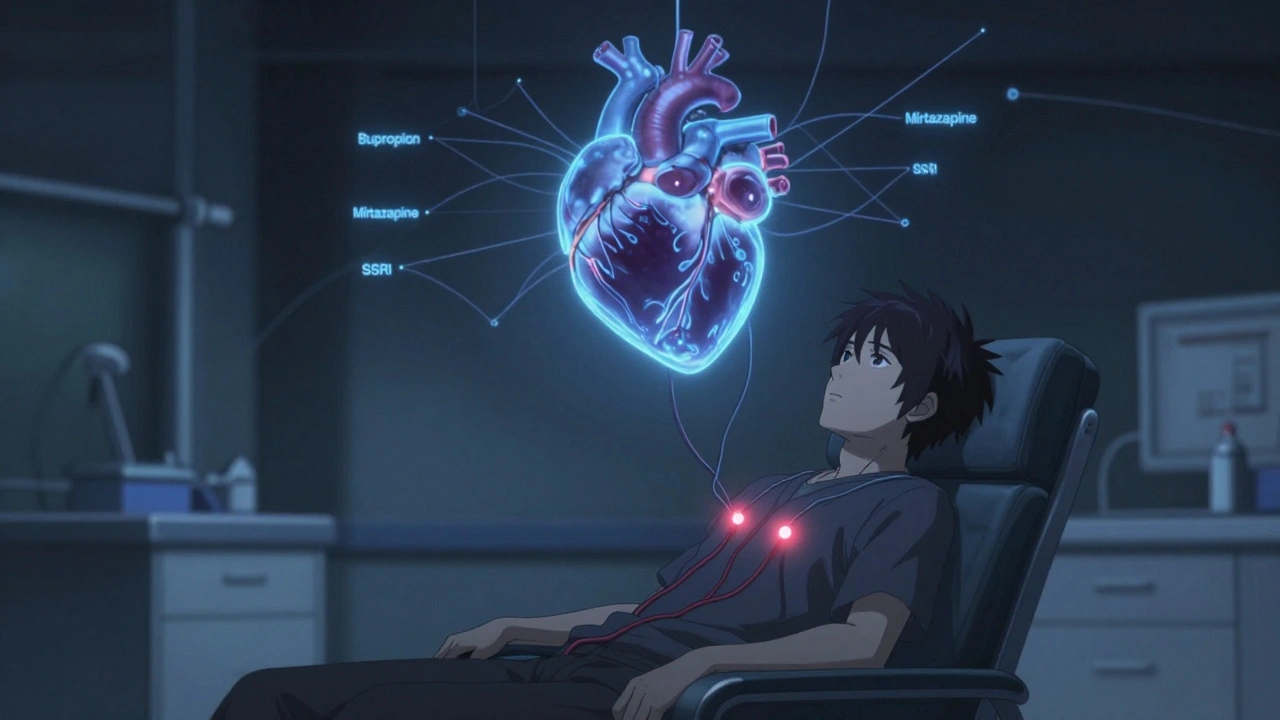
- Switching meds: Going from an SSRI to bupropion or mirtazapine works for 65-70% of people. This is often the most effective long-term fix.
- Adding a rescue drug: Sildenafil (Viagra) helps about 55-60% of men with erectile issues. But it doesn’t help much with low desire or delayed orgasm. For women, flibanserin (Addyi) is approved but has limited effectiveness and serious side effects.
- Switching antipsychotics: If high prolactin is the issue, switching to aripiprazole works in 75% of cases.
- Couples therapy: When sexual problems strain your relationship, therapy helps 50% of couples. It’s not about fixing sex - it’s about rebuilding connection.
- Sexual scheduling: Planning sex for times when the drug’s effect is lowest (like right after waking up, before the daily dose) helps 35% of people.

The Counseling That Actually Helps
The best solution isn’t a pill - it’s a conversation. And it needs to happen before you even start the medication. Experts agree: counseling should be standard. The American Psychiatric Association now requires doctors to routinely ask about sexual function during medication checks. But most still don’t. Here’s what good counseling looks like:- Before prescribing: "This medication can affect your sex life. It happens to about 6 out of 10 people. That doesn’t mean it will happen to you - but we need to talk about it so we can act fast if it does."
- At the 2-week check-in: "How’s your energy? Your mood? And how’s your sex life?" Don’t wait until the 6-week visit.
- At the 4- and 6-week visits: Use a simple tool like the Arizona Sexual Experience Scale (ASEX). It takes five minutes. It tells you if things are getting worse.
- Have a plan ready: "If this happens, here’s what we can do: we can lower your dose, switch meds, or add a pill like sildenafil. None of these are failures - they’re adjustments."
What to Say to Your Doctor
If your provider hasn’t brought this up, you need to. Here’s how to start the conversation without shame:- "I’ve noticed I’m not interested in sex like I used to be. Is this something my medication could be causing?"
- "I’m worried this side effect might make me stop taking my meds. Is there a way to fix it without quitting?"
- "Can we talk about switching to a drug that’s less likely to affect my sex life?"
- "I’ve heard about bupropion being better for this. Can we look at that option?"
Where to Find Help
You don’t have to figure this out alone. Pharmacists are trained to help with medication side effects - including sexual ones. A 2022 study found that pharmacists who received sexual health training improved patient outcomes by 35%. Ask your pharmacist for a consultation. Digital tools like the MoodFX app (used by over 127,000 people) let you track your mood and sexual function together. That data helps your doctor make smarter decisions. If you’re struggling with relationship strain, couples therapy is covered by many insurance plans now. Look for a licensed sex therapist - not just a general counselor.
What’s Changing
The tide is turning. The FDA now requires clearer warnings about sexual side effects in antidepressant packaging. Major health systems are rolling out screening protocols. Telehealth services like Ro and Hims now offer specialized consultations for this exact issue. A new drug is in phase 3 trials (NCT04891234) designed to block the sexual side effects of SSRIs without reducing their antidepressant power. Results are expected in 2024. But progress isn’t equal. Women’s sexual health is still under-researched - only 12% of clinical trials on sexual dysfunction focus on women. LGBTQ+ patients report 28% fewer discussions about these side effects than straight, cisgender patients.What You Can Do Today
You don’t need to wait for a new drug or a perfect system. Here’s your action plan:- Write down your symptoms: What changed? When? How often?
- Check your medication’s side effect profile. Look up your exact drug name and "sexual dysfunction." You’ll find data.
- Ask your doctor: "What’s my risk for sexual side effects with this drug? What’s the plan if they happen?"
- If you’re on an SSRI and having problems, ask: "Would bupropion or mirtazapine be an option?"
- If you’re having trouble with erections, ask about sildenafil. It’s safe with most antidepressants.
- Don’t wait. Don’t suffer in silence. Your mental health recovery depends on your whole life - including your sex life.
What’s Next
Experts predict that by 2030, medication-induced sexual dysfunction will be treated as routinely as weight gain or dry mouth. But that future depends on you speaking up - and your provider listening. You’re not broken. You’re not alone. And you don’t have to choose between feeling better mentally and feeling better sexually. With the right conversation - and the right plan - you can have both.Do all antidepressants cause sexual side effects?
No. SSRIs like fluoxetine and sertraline cause sexual side effects in 50-70% of users. But bupropion (Wellbutrin) and mirtazapine (Remeron) affect only 5-10% of people. Some antidepressants are much gentler on sexual function. The key is choosing the right one - or switching if problems arise.
Can I just stop taking my medication if I’m having sexual side effects?
Stopping suddenly can cause withdrawal symptoms or make your depression worse. Never stop without talking to your doctor. There are safer options: dose reduction, switching meds, adding a rescue drug, or scheduling sex around your medication timing. You don’t have to quit treatment to fix this.
Is it normal for my doctor to never mention this?
No. While many doctors still avoid the topic, the American Psychiatric Association now recommends routine screening for sexual side effects. If your provider never asked, it’s not because it’s unimportant - it’s because they haven’t been trained to ask. You have the right to bring it up.
Can my pharmacist help with this?
Yes. Pharmacists are often more comfortable discussing sexual side effects than doctors. Many have completed training in sexual health counseling. Ask your pharmacist about your medication’s risk, possible alternatives, or how to use rescue medications like sildenafil safely.
Are there any new treatments coming for this?
Yes. A new drug targeting 5-HT2C receptors is in phase 3 trials (NCT04891234) and could counteract SSRI-induced sexual dysfunction without reducing antidepressant effects. Results are expected in 2024. Other options, like improved female-targeted therapies, are also in development - though research still lags behind male-focused treatments.
Why do women’s sexual side effects get less attention?
Historically, most sexual dysfunction research focused on male erectile issues. Only 12% of clinical trials on medication-induced sexual problems specifically study women. This gap means fewer effective options for women, and less understanding of how these side effects manifest differently - like pain during sex or loss of arousal. Advocacy and demand for better research are pushing change, but progress is slow.
Can couples therapy really help?
Yes. When sexual side effects strain a relationship, couples therapy helps about 50% of pairs. It’s not about fixing sex - it’s about rebuilding intimacy, communication, and emotional connection. Many therapists specialize in sexual health and work with couples to find new ways to be close, even when physical response is affected.



Jay Everett
December 2, 2025 AT 04:50Bro, I was on sertraline for 3 years and thought my libido was just dead forever 😔 Then I switched to Wellbutrin and it was like my brain remembered how to feel pleasure again. Not just sex-like, I started laughing at dumb memes again. If you’re suffering, don’t suffer in silence. Talk to your doc. There’s life after SSRIs.
Laura Baur
December 2, 2025 AT 17:46It’s not just about the meds-it’s about the entire medical system’s refusal to treat sexuality as a legitimate health domain. We’ve normalized the erasure of women’s sexual autonomy under the guise of ‘mental health treatment.’ The fact that flibanserin is ‘approved’ but barely works, while men get Viagra on demand, is a moral failure disguised as pharmacology. This isn’t side effect management-it’s gendered neglect.
Steve Enck
December 3, 2025 AT 15:35While the empirical data presented is statistically significant, one must consider the ontological implications of pathologizing normal physiological responses to neurochemical modulation. The reductionist paradigm of pharmacological intervention fails to account for the phenomenological lived experience of sexual dysfunction as an emergent property of embodied cognition, not merely a pharmacokinetic artifact.
मनोज कुमार
December 5, 2025 AT 02:32Elizabeth Grace
December 6, 2025 AT 04:54I was on paroxetine for anxiety and my sex life went from ‘weekly’ to ‘never.’ I felt like a ghost in my own body. I finally told my doctor and she switched me to mirtazapine. Two weeks later, I kissed my partner for the first time in 8 months. It wasn’t magic-it was just being heard.
Joel Deang
December 6, 2025 AT 21:22yo i just found out my doc never even told me about this side effect 😭 i thought i was broken. i asked my pharmacist last week and she gave me a whole pamphlet on sildenafil + antidepressants. also she said bupropion is way better for sex. why dont docs just say this stuff? 🙃
Roger Leiton
December 8, 2025 AT 13:33Just wanted to say thank you for writing this. I’ve been too ashamed to talk about this with anyone-even my therapist. I’m going to print this out and take it to my next appointment. If I can help one person feel less alone, this post was worth it. ❤️
dave nevogt
December 9, 2025 AT 11:57There’s a quiet tragedy here. People aren’t choosing between mental health and sexual health-they’re being forced into a false binary by systems that don’t care enough to offer alternatives. The real failure isn’t the medication. It’s the lack of integrated, compassionate care. We treat depression like a broken circuit, but the body isn’t a circuit. It’s a symphony-and when one instrument goes silent, we should be tuning the whole orchestra, not just muting the rest.
Paul Keller
December 9, 2025 AT 21:11This is the most comprehensive, data-driven breakdown I’ve seen on this topic. The stats are brutal but necessary. I’m a clinician, and I’ve seen too many patients drop out because they were too embarrassed to speak up. The fact that pharmacists are now trained in this? That’s progress. We need this standardized in every primary care setting. No more sweeping it under the rug.
Shannara Jenkins
December 11, 2025 AT 08:31If you’re reading this and you’re scared to talk to your doctor-you’re not weak. You’re just in a system that made you feel like your body was too embarrassing to mention. But here’s the truth: your sex life matters. Your pleasure matters. Your comfort matters. You deserve to feel good in your skin, mentally AND physically. Start small. Write it down. Say it out loud to yourself first. Then say it to your provider. I believe in you.
ATUL BHARDWAJ
December 11, 2025 AT 09:06Rebecca M.
December 12, 2025 AT 21:31Oh great. Another article that makes me feel like my entire emotional life is a side effect of a pill I can’t even remember the name of. I’m just supposed to ‘switch meds’ like swapping out a broken toaster? What about the trauma? What about my childhood? What about the fact that I’m still grieving my ex who left because I ‘wasn’t into it anymore’? This isn’t a pharmacology problem-it’s a human problem.
Steve World Shopping
December 13, 2025 AT 06:24