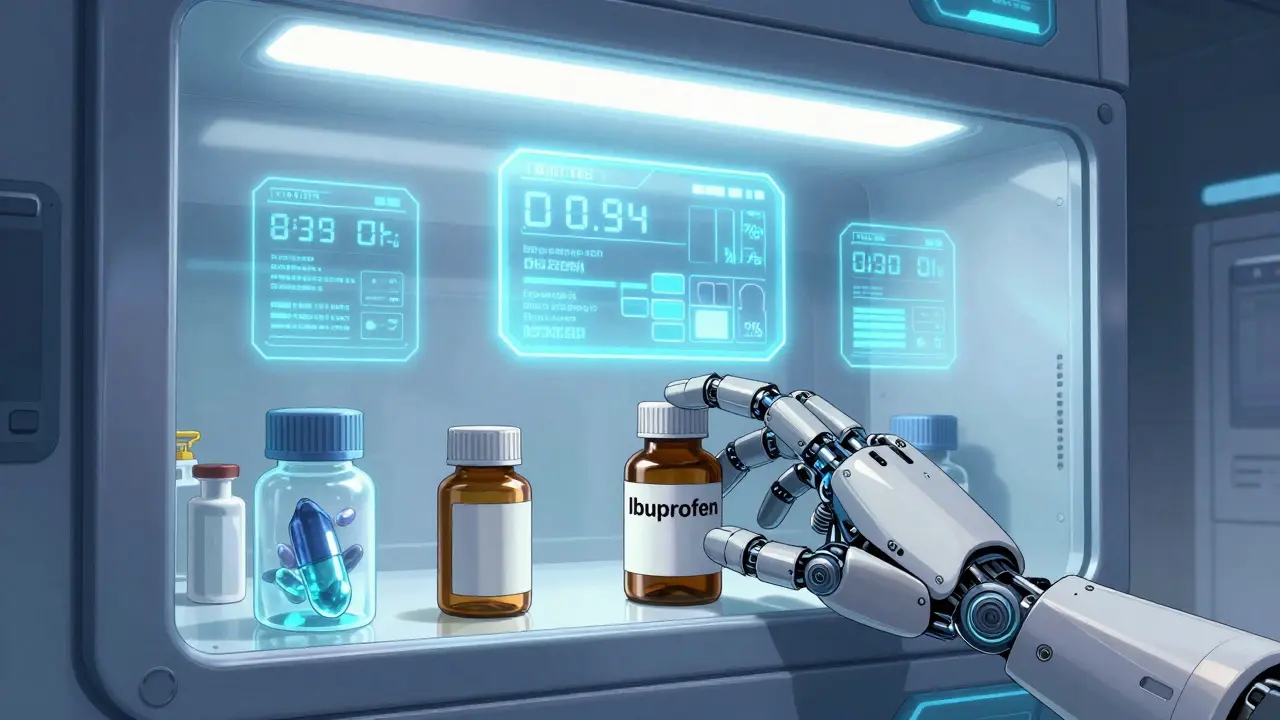
Check your medicine cabinet right now. What do you see? A bottle of ibuprofen from last winter? An old antibiotic prescription you never finished? Maybe a tube of nitroglycerin or an EpiPen tucked away for emergencies? We are taught to treat the printed expiration date like a cliff edge. One day before, the pill works perfectly. One day after, it turns into toxic sludge or useless chalk. But is that actually true?
The short answer is no. For most solid medications, that date is not a magic switch that flips safety off. It is a guarantee of full potency provided by the manufacturer, not a scientific deadline for when the drug becomes dangerous. In fact, extensive research shows that many drugs remain safe and effective for years, sometimes decades, past their labeled expiration date if stored correctly.
The Science Behind the Date: Why Drugs Don't Just 'Die'
To understand why we shouldn't toss everything on January 1st, we need to look at where these dates come from. In 1979, the U.S. Food and Drug Administration (FDA) mandated that pharmaceutical companies label every drug with an expiration date. This requirement was part of the Drug Registration and Listing System.
Here is the catch: the FDA does not require manufacturers to test drugs beyond a certain window. Typically, companies perform stability testing for only 12 to 60 months after production. They determine the shortest possible shelf life that still guarantees 90% to 110% of the active ingredient remains. Why? Because shorter expiration dates mean you buy new prescriptions more often. There is little financial incentive for a company to spend millions proving their drug lasts ten years when they can just say it lasts two.
This creates a gap between regulatory labeling and chemical reality. Chemicals don't vanish overnight. They degrade slowly over time. The expiration date is simply the point where the manufacturer stops guaranteeing the full dose. It is a liability shield, not necessarily a health hazard warning.
The Landmark Study: Decades of Potency
If you want hard data, look at the landmark study published in November 2012 in the Archives of Internal Medicine. Researchers from the University of California-San Francisco School of Pharmacy, led by Lee Cantrell, PharmD, conducted one of the most comprehensive tests ever done on expired drugs.
They analyzed eight prescription drugs containing 15 different active ingredients. These weren't fresh pills; they had expired 28 to 40 years prior. That is 336 to 480 months past their labeled death sentence. The results were staggering:
- 12 of the 14 medications tested retained full potency (at least 90% of labeled content) for at least 336 months.
- Eight medications maintained full potency for the entire 480-month period.
- Only aspirin and amphetamine consistently fell below the 90% threshold.
This aligns with the Department of Defense's Shelf-Life Extension Program (SLEP). Since 1986, the military has systematically tested its federal drug stockpiles. They found that 88% of 122 different drugs could have their expiration dates extended. The average extension was 66 months, with some drugs lasting up to 278 months longer than originally labeled. The program saved billions, proving that throwing away good medicine is a massive waste of resources.
Solid vs. Liquid: Form Matters More Than You Think
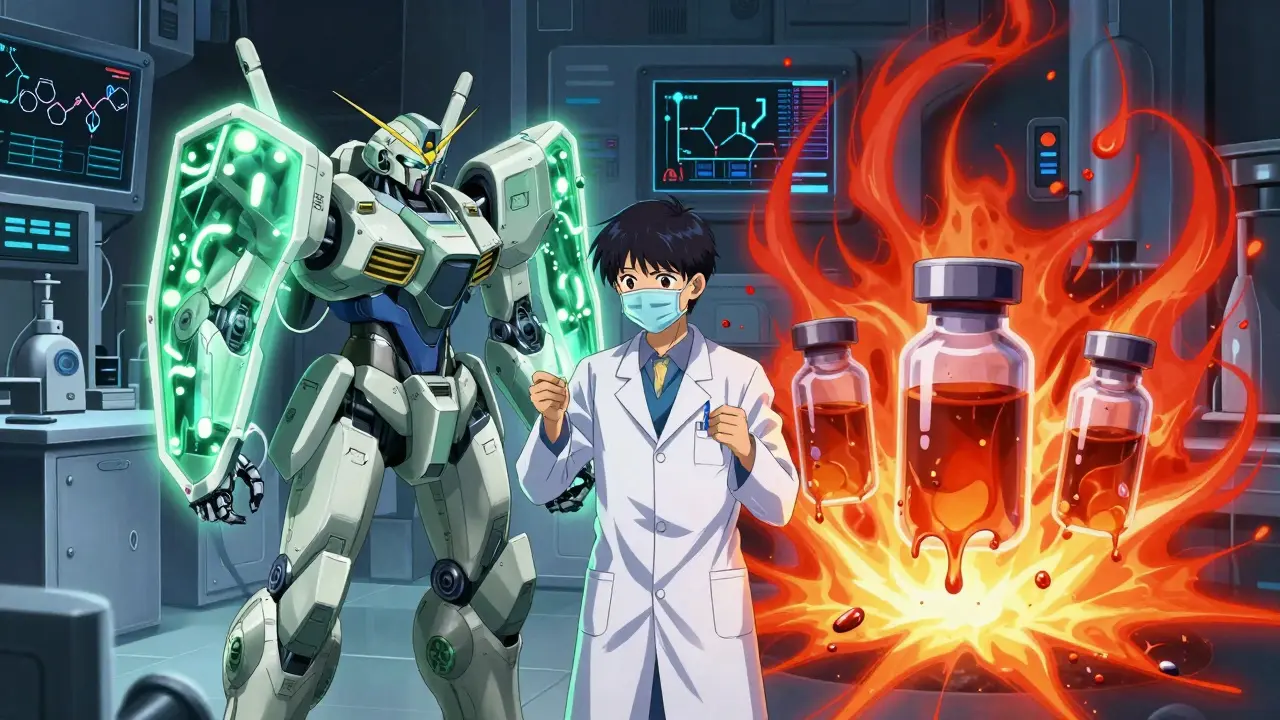
Not all medications are created equal when it comes to aging. The physical form of the drug plays a huge role in how long it stays stable. Generally, solid dosage forms like tablets and capsules are much more resilient than liquids.
Solid pills have less surface area exposed to air and moisture. If you keep them in their original, sealed container in a cool, dry place, they can hold their structure for years. Liquids, however, are a different story. Solutions, suspensions, and reconstituted powders break down faster. Once you mix a liquid antibiotic with water, the clock starts ticking much faster because bacteria can grow, and the chemical bonds weaken more quickly in a fluid state.
A 2006 study in the Journal of Pharmaceutical Sciences examined 122 expired products and found that two-thirds were still stable. But those that failed were almost exclusively liquids or complex formulations. So, if you have an old bottle of Tylenol tablets, they are likely fine. If you have an old bottle of cough syrup, throw it out.
| Medication Type | Typical Stability Post-Expiration | Risk Level |
|---|---|---|
| Solid Tablets/Capsules | High (Often 5+ years) | Low |
| Liquid Solutions/Suspensions | Low (Months) | Moderate to High |
| Reconstituted Powders | Very Low (Weeks) | High |
| Inhalers/Auto-injectors | Variable (Device dependent) | High (Critical use) |
The Danger List: When Never Is the Answer
While most pills are safe, there are specific exceptions where using an expired drug can be ineffective or even deadly. You should never rely on expired versions of these medications:
- Nitroglycerin: Used for chest pain (angina), this drug degrades rapidly. If your heart attack symptoms hit and your nitro doesn't work, the consequences are fatal.
- Insulin: Diabetes management requires precise dosing. Degraded insulin may not lower blood sugar effectively, leading to dangerous highs.
- Epinephrine Auto-Injectors (EpiPens): Studies show reduced bioavailability in outdated EpiPens. In an allergic reaction, you need 100% potency, not 80%.
- Liquid Antibiotics: As mentioned, liquids spoil. Ineffective antibiotics can lead to untreated infections or resistance.
- Tetracycline: This is the big myth-buster. Old stories claimed tetracycline turns toxic and damages kidneys. While modern research suggests this risk is lower than previously thought, it is still recommended to avoid it due to potential loss of efficacy against serious infections.
- Mefloquine: An antimalarial drug that loses effectiveness quickly, leaving travelers unprotected in high-risk zones.
Dr. William Eggleston, medical director of the Central New York Poison Center, put it plainly: it might be fine to take an allergy pill that is a month past its date, but you should never gamble with time-sensitive emergency meds.
Storage Conditions: The Real Enemy of Potency
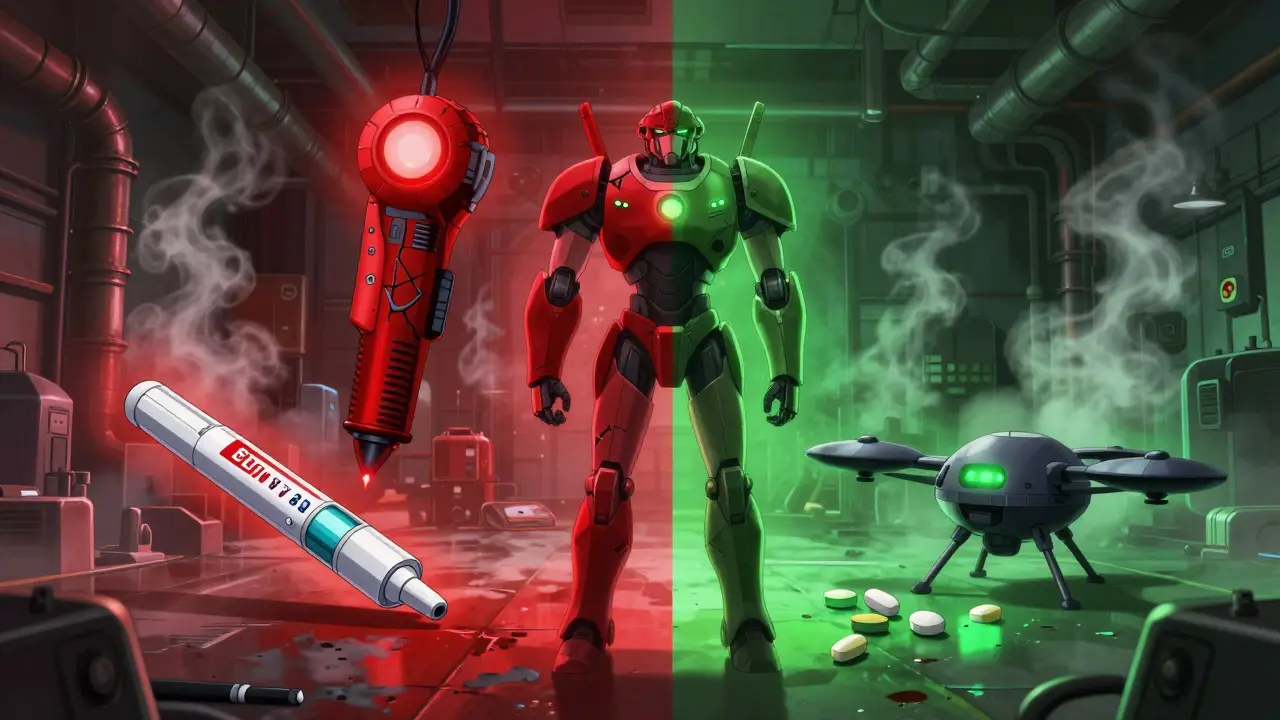
Before you judge a drug by its date, judge it by its environment. Heat, humidity, and light are the three killers of medication potency. Most people store medicines in the bathroom medicine cabinet. This is the worst possible place.
Bathrooms are hot and humid. Every shower releases steam that seeps into pill bottles. This moisture accelerates chemical breakdown. If you move pills from their original blister packs or tight-sealing bottles into loose pharmacy canisters, you expose them to air and moisture, speeding up degradation.
For best results, store medications in a cool, dry place away from direct sunlight. A bedroom drawer or a closet shelf is ideal. Keep them in their original containers. If you follow these rules, your solid oral medications will likely retain at least 90% of their strength for several years past the printed date.
Why Doesn't the FDA Change the Rules?
If the science is so clear, why do we still throw away billions of dollars worth of medicine? The answer is economics and liability. Pharmaceutical companies have no incentive to fund long-term stability studies. Proving a drug lasts 10 years means patients buy it once instead of five times. It hurts revenue.
Furthermore, the FDA maintains a cautious stance. Their website states that expired products can be less effective or risky due to changes in chemical composition. They prioritize safety over cost savings. Even though the NIH’s 2020 review confirmed that "expired drugs have not necessarily lost potency," regulators prefer a one-size-fits-all rule to avoid lawsuits if someone gets sick from an old pill.
However, the trend is shifting. With healthcare costs rising, programs like the DoD's SLEP prove that extended dating saves money without compromising safety. Future regulations may eventually allow for standardized extension protocols for non-critical medications, reducing waste across the $300 billion U.S. prescription market.
Is it illegal to sell expired medications?
Yes, in most jurisdictions, including the United States, it is illegal for pharmacies and retailers to sell medications past their expiration dates. However, personal possession and use of expired medication is generally not prosecuted, though it is discouraged for critical drugs.
Can expired antibiotics make me sick?
Expired antibiotics are unlikely to poison you, but they may not kill the bacteria causing your infection. This can lead to the infection worsening or developing resistance. Liquid antibiotics also carry a higher risk of bacterial contamination after opening.
How should I dispose of expired medications safely?
Do not flush most medications down the toilet unless specifically instructed. Instead, mix them with an unappealing substance like dirt, cat litter, or used coffee grounds in a sealed plastic bag and throw them in the trash. Many pharmacies also offer take-back programs for safe disposal.
Does refrigeration extend the life of medications?
Refrigeration can help, but only if the medication is approved for cold storage. Moisture in the fridge can damage some pills. Always check the label. If it says "store at room temperature," do not refrigerate it, as condensation can degrade the drug.
Are generic drugs less stable than brand-name ones?
No. Generic drugs must meet the same FDA standards for stability and potency as brand-name drugs. The expiration date reliability is based on the active ingredient and formulation, not the brand logo.


Daniel Tremblay
June 1, 2026 AT 00:52Oh, please. Another article trying to convince you that corporate greed is the only reason your pills expire. It's cute how people think they can outsmart chemistry with a drawer in their bedroom. You really want to take a chance on degraded tetracycline because you read a blog post? I hope you enjoy kidney failure.
Henri-Paul Soulodre
June 2, 2026 AT 21:42This entire mindset is morally bankrupt. We are taught to respect the manufacturer's guidelines for a reason, and yet here we are, treating our health like a gamble. It is absolutely disgusting that people would risk their lives or the lives of others by hoarding expired medicine. It shows a complete lack of discipline and respect for science. If you cannot afford new medication, that is a societal issue, not an excuse to be reckless with your body. The fact that this information is being spread so casually is terrifying.
Jerry Mathews
June 3, 2026 AT 13:02Hey guys, just wanted to say that while it's good to know about the SLEP program, maybe don't try this at home if it's something critical. But hey, saving money is always nice right? Just keep it cool and dry lol.
Aishwarya Thankachan
June 4, 2026 AT 00:15🧪💊 Okay but have you considered the pharmacokinetic implications of storing meds in high humidity environments?? Like seriously, the degradation pathways for hydrolysis are real! 📉 Also, why do people keep meds in bathrooms?? 😩 It’s literally a sauna! #ScienceFacts #PharmaTok
Lenny Cruz
June 5, 2026 AT 16:54The common man is expected to trust the FDA, which is clearly compromised by industry ties, yet simultaneously expected to ignore empirical data from military studies. It is a paradox designed to keep us dependent. I find it amusing that the 'experts' who demand we throw away billions in resources are the same ones who won't tell us why the expiration dates are so short in the first place. It is all about control. The elite know the truth; they just don't share it with the plebs. Perhaps if we stopped following rules blindly, we might realize that the system is rigged against our autonomy. The irony is palpable.
Dave Villeneue
June 5, 2026 AT 17:23You are idiots. The study cited has limitations. Do not extrapolate general stability to critical care scenarios. Your ignorance is dangerous. Stop posting this garbage.
Rachel Harrypersad
June 6, 2026 AT 18:15we are all just waiting to die anyway why worry about the date on the pill bottle life is meaningless and the expiration date is just a construct of time itself which is also a lie we consume and we are consumed 💀
Francis Saul
June 7, 2026 AT 18:46i mean its true tho. i kept some old ibuprofen and it worked fine. just dont do it for important stuff though. stay safe everyone :)
Jennifer Legore
June 8, 2026 AT 21:43Thank you for sharing this incredibly valuable information! It is so empowering to understand the science behind what we put into our bodies! Let us all strive to make informed decisions while still prioritizing safety! We can do this together! :) Remember to consult your doctor though!
Alyssa Zucker
June 10, 2026 AT 10:25I guess I'm just cautious. My grandma always said throw it out if you're not sure. I don't want to take risks with my heart meds even if the article says most are fine. It's scary thinking about potency loss.
Aswin Narayan J
June 11, 2026 AT 10:59In India, we often deal with heat and humidity that would destroy any drug in months. So yes, storage matters. But also, people here buy meds over the counter without prescriptions sometimes. So the concept of 'expired' is different when access is limited. Interesting read though.
Brian Irwin
June 11, 2026 AT 16:39its kinda wild how much money is wasted. i get the liability thing but come on. just be smart about it. dont take expired epi pens obviously. but old tylenol? probably fine. just use your brain man.
Stephanie Francis
June 12, 2026 AT 23:26It is quite fascinating to consider the economic incentives at play here. However, one must remain vigilant regarding the specific types of medications involved. The distinction between solid and liquid forms is crucial. Please ensure you are well-informed before making any changes to your healthcare routine. :) Safety first!