
When your prescription switches from the brand-name drug you’ve been taking to a generic version, it’s easy to panic. Authorized generic sounds like another buzzword - maybe even a trick. But here’s the truth: if you’re switching to an authorized generic, you’re getting the exact same medicine you’ve always taken. Same pills. Same factory. Same results. The only difference? You’re paying significantly less.
What Exactly Is an Authorized Generic?
An authorized generic isn’t just any generic. It’s the brand-name drug, made by the same company, in the same facility, using the same ingredients and process - but sold without the brand name on the bottle. Think of it like a store-brand version of your favorite cereal, but made in the same factory as the name-brand version. The FDA requires these to be identical in active and inactive ingredients, strength, dosage form, and how they work in your body. Unlike traditional generics, which go through a separate approval process (ANDA), authorized generics operate under the original brand’s approval (NDA). That means no extra testing, no guesswork. You’re getting the real thing, just without the marketing label.Why Switch? The Real Cost Difference
Let’s talk money. In 2022, Medicare Part D data showed that switching to an authorized generic cut out-of-pocket costs by $15 to $30 per prescription. For someone taking multiple medications, that adds up fast. A 30-day supply of a brand-name blood pressure pill might cost $60. The authorized generic? $25. Sometimes even less. And it’s not just about the sticker price. Insurance plans love authorized generics because they’re cheaper. That means your copay drops, your deductible moves faster, and your plan is more likely to cover your next refill without hassle. In fact, 80-90% of prescriptions for drugs with an authorized generic version are automatically switched at the pharmacy - no extra paperwork needed.How to Know If You’re Getting an Authorized Generic
Not every generic is an authorized generic. Some look different. Some have different fillers. But an authorized generic? It’s the same pill, just in a plain bottle. To confirm you’re getting the real deal, check the FDA’s quarterly list of authorized generics. It’s free, public, and updated every three months. You can search by brand name and see exactly which authorized versions are approved. Don’t rely on the pharmacist’s word alone - verify it yourself. If the brand name is “Lipitor,” and you see “atorvastatin” in a plain bottle, check the FDA list. Is it listed as an authorized generic by Pfizer? Then you’re good. You can also ask your pharmacist: “Is this an authorized generic of my brand drug?” They’ll know. Most pharmacists have access to databases that flag authorized generics during dispensing.What About the Look? Pills Change Color? Shape? Size?
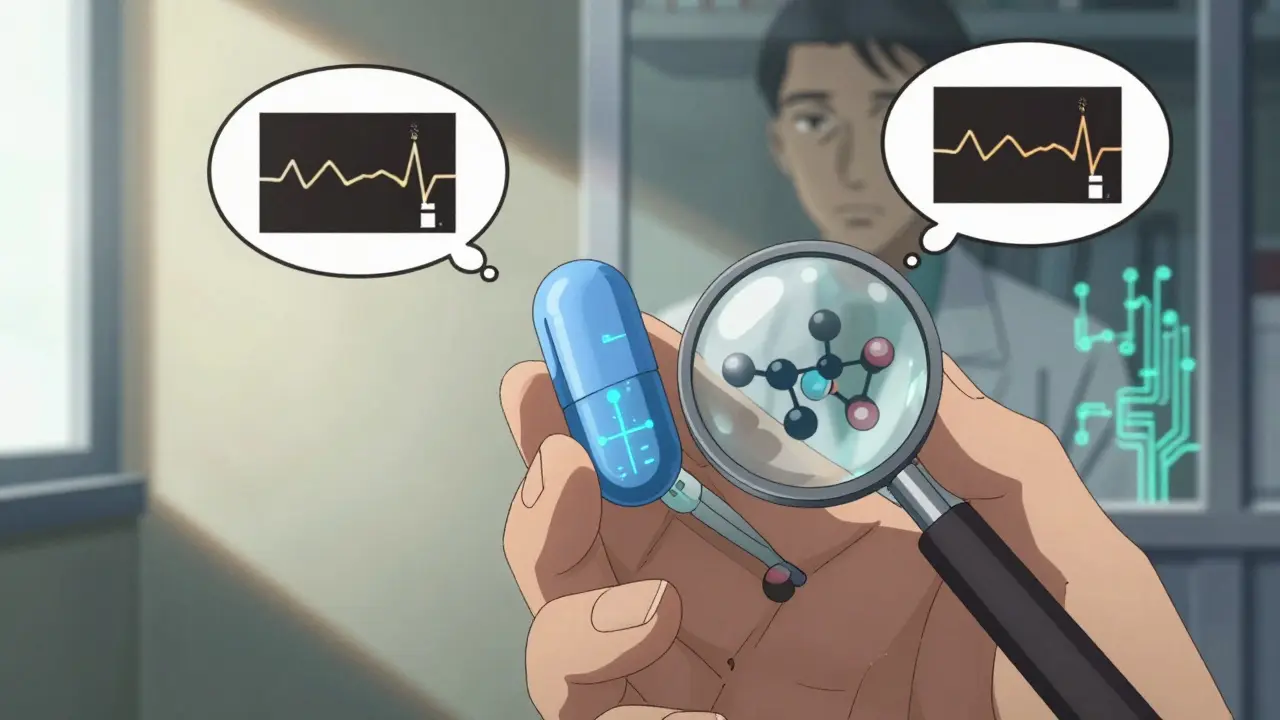
Yes, they might. And no, it doesn’t mean it’s not the same medicine. Authorized generics are made by the same company, so often, they look identical to the brand. But sometimes, the packaging changes. Maybe the pill is a different color because the brand used a trademarked dye, and the generic version can’t use it. Or maybe the shape is slightly different because the machine that presses the pill was calibrated differently. A 2022 study found that 65% of patient questions about authorized generics were about appearance - not effectiveness. People worry: “If it looks different, is it weaker?” No. It’s not. The FDA requires identical performance. The color change? Cosmetic. The shape? Irrelevant. The active ingredient? Exactly the same. If you’re confused, hold the pill next to your old prescription. If the dosage is the same - say, 20mg - and the imprint code matches, you’re fine. If you’re still unsure, call your pharmacist. They’ll show you the FDA documentation.
When Do Authorized Generics Become Available?
Timing matters. Authorized generics often launch during the 180-day exclusivity window granted to the first generic company to challenge a brand patent. That’s when competition is highest - and prices drop fastest. Between 2001 and 2008, 78% of authorized generics were introduced during this window. Why? Because the brand company wants to keep market share. By launching their own generic version, they undercut the competition before it even gets started. The result? Lower prices for you. But here’s the catch: if you’re on a drug that just lost patent protection, don’t assume the generic you get on day one is an authorized one. Sometimes it takes weeks or months. Check the FDA list. If you’re switching right after patent expiry, ask your pharmacy: “Is there an authorized generic available yet?”Insurance and Prior Authorization: What You Need to Know
Most insurance plans automatically switch you to the cheapest option - which is usually the authorized generic. But not always. Some plans, especially for specialty drugs like those for rheumatoid arthritis or multiple sclerosis, require prior authorization even for generics. If your plan used to cover the brand name and now wants you on the generic, you might get a denial. Don’t panic. Your doctor can submit a simple letter: “Patient is being switched to authorized generic for cost savings. Therapeutic equivalence confirmed by FDA.” If your plan refuses to cover the authorized generic, call them. Ask: “Why isn’t this covered? It’s the same drug.” Often, it’s just a system glitch. Once they update your formulary, you’re covered.Patient Experience: Real Stories, Real Results
One patient in Durban switched from the brand-name statin to its authorized generic after her insurance changed. She was nervous. “I’ve been on this for 10 years,” she said. “What if my cholesterol spikes?” She checked the FDA list. Confirmed it was the same pill. Took it. No side effects. No change in bloodwork. Her copay dropped from R420 to R180 a month. That’s R2,880 saved in a year. Another man with diabetes switched from a brand-name metformin to its authorized version. He noticed the pill was white instead of blue. He called his pharmacist. They showed him the FDA listing. He kept taking it. His HbA1c stayed stable. He saved R300 a month. Adherence rates - how often people keep taking their meds - stay nearly identical after switching to authorized generics. Studies show 85% of patients continue taking them, same as with the brand.What to Do When You’re Switching
Here’s a simple 5-step plan:- Check your prescription. Is it still the brand name? Ask your doctor if an authorized generic is available.
- Go to the FDA’s website. Search for your brand name. See if there’s an authorized generic listed.
- Call your pharmacy. Ask: “Do you carry the authorized generic for [brand name]?”
- If yes, confirm the pill matches the FDA description (dosage, imprint, shape).
- Track your body’s response for the first two weeks. No need to test unless you feel something’s off - most people feel nothing different.
Myths and Misconceptions
Let’s clear up a few lies you’ve probably heard:- “Generics are weaker.” False. Authorized generics are identical. Even the FDA says so.
- “My insurance won’t cover it.” Most do - and they push you to it.
- “It’s not safe because it’s not branded.” The same factory, same quality control, same FDA inspections.
- “I’ll get side effects.” Unlikely. If you’ve tolerated the brand, you’ll tolerate the authorized version.
What’s Next? The Future of Authorized Generics
More drugs are losing patents every year. In 2025, over 40% of the top 200 brand-name drugs in the U.S. have authorized generic versions. That number is rising by 5-7% annually. The FDA is making it easier to spot them. New pharmacy systems now auto-flag authorized generics when a prescription is filled. Your pharmacist’s screen might say: “Authorized generic available - saves $22.” Even complex drugs - like biologics for cancer or autoimmune diseases - are starting to see authorized versions. The first ones are expected by 2027. This isn’t a trend. It’s the new normal.Final Thought: You’re Not Losing Anything
Switching to an authorized generic isn’t a compromise. It’s a win. You get the same medicine. Same results. Same safety. Just a lower price. No trade-offs. No hidden risks. If your doctor hasn’t mentioned it, ask. If your pharmacy didn’t offer it, request it. You’re entitled to the best price for the same treatment. And in a world where healthcare costs keep climbing, this is one of the few places you can save without sacrificing quality.Is an authorized generic the same as a regular generic?
No. A regular generic is made by a different company and must prove it works the same way as the brand through testing. An authorized generic is made by the brand company itself - same factory, same ingredients, same process. It’s the exact same drug, just sold without the brand name.
Will my insurance cover an authorized generic?
Yes, almost always. Most insurance plans require you to use the authorized generic if it’s available because it’s cheaper. In fact, 80-90% of prescriptions for drugs with an authorized generic are automatically switched at the pharmacy. You usually don’t need to do anything - but always check your copay to confirm the price dropped.
Why does the pill look different?
Even though it’s the same medicine, the packaging or pill color might change because trademarked colors or shapes can’t be copied. But the active ingredient, dosage, and how it works in your body are unchanged. The FDA requires this. If the imprint code and dosage match your brand, it’s safe.
Can I switch back to the brand if I don’t like the generic?
Yes, but your insurance might not cover it. If you switch back without medical reason, your plan may require you to pay the full brand price. Only switch back if you have a real reaction - like a new rash, dizziness, or unusual side effects. Otherwise, stick with the authorized generic. It’s the same drug.
How do I know if my drug has an authorized generic?
Go to the FDA’s website and search for your brand-name drug in the “Approved Drug Products with Therapeutic Equivalence Evaluations” (Orange Book). If an authorized generic exists, it will be listed under “Authorized Generic” with the manufacturer’s name. You can also ask your pharmacist to check.



Mussin Machhour
December 25, 2025 AT 10:37Just switched my statin to the authorized generic last month and my wallet thanked me. Copay dropped from $58 to $19. Same pill, same results. No weird side effects, no weird dreams, no weird vibes. Just cheaper. Why are people still overpaying for the same thing with a fancy label?
Carlos Narvaez
December 26, 2025 AT 05:41Authorized generics are a regulatory loophole disguised as consumer benefit. The FDA’s equivalence standards are laughably minimal. If you’re truly concerned about bioavailability, stick with the brand. Or at least demand the innovator’s original formulation.
Winni Victor
December 28, 2025 AT 04:56So now the pharma giants are selling their own drugs under a different name to screw us even more? Classic. First they charge $500 for a pill, then they make a ‘generic’ version so they can keep the monopoly and still charge $25. I’m not fooled. This is just capitalism in a lab coat.
Terry Free
December 28, 2025 AT 13:37People still think ‘same factory’ means ‘same quality.’ Newsflash: factories change shifts. Machines get recalibrated. The FDA doesn’t inspect every batch. You think your blood pressure med is safe because it’s ‘authorized’? That’s not safety, that’s hope wrapped in a pill.
Lindsay Hensel
December 30, 2025 AT 11:09Thank you for this clear, compassionate, and meticulously researched guide. As someone who manages chronic illness, I appreciate the emphasis on patient autonomy and verification. Knowledge truly is the most powerful tool we have in navigating an opaque system.
Linda B.
December 31, 2025 AT 13:08Did you know the FDA gets funding from pharma companies? That’s why they say authorized generics are safe. They’re not. They’re testing them in prisons. The color change? That’s a tracking chip. They’re monitoring who takes what. Don’t be fooled. The government and Big Pharma are in bed together. Check the source. Always check the source.
Oluwatosin Ayodele
January 1, 2026 AT 10:04In Nigeria, we don’t even have access to authorized generics. We get fake pills that look like the brand. You people are lucky. Your system is broken but still has rules. Here, we just hope the pill doesn’t kill us. Your savings are our luxury.
Jason Jasper
January 2, 2026 AT 20:43I’ve been on an authorized generic for my thyroid med for two years. No issues. No changes in labs. I just save $40 a month. Honestly, I don’t care who made it as long as it works. If it ain’t broke, don’t fix it - or pay extra for the logo.
Bailey Adkison
January 3, 2026 AT 05:59Stop calling it an authorized generic. It’s a branded generic. The term is misleading. Authorized implies approval by a third party. It’s not. It’s the same company selling under a different label. Language matters. Precision matters. Stop normalizing corporate obfuscation.